
*A Note to the Viewer*
The finest photographs are best experienced as physical prints, as envisioned and crafted by the author. If that isn’t possible, viewing them on a large screen is the next best option. Mobile devices can offer only a very general impression of the artist and their work.
The finest photographs are best experienced as physical prints, as envisioned and crafted by the author. If that isn’t possible, viewing them on a large screen is the next best option. Mobile devices can offer only a very general impression of the artist and their work.
Victor Ivanovich Ageyev
The Man Who Taught Us to See
January 2, 1932 — July 7, 2017
Brief Biography
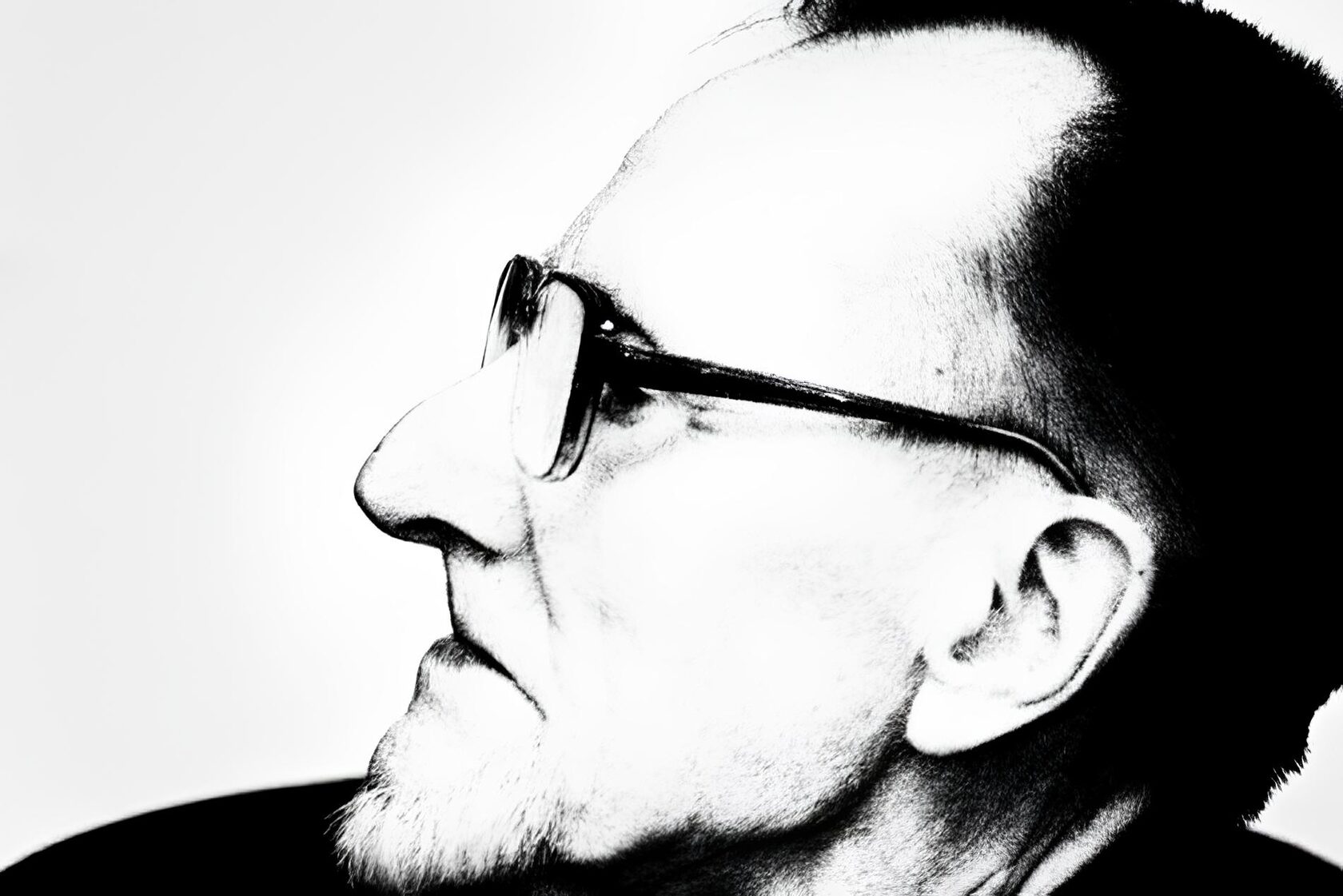
On January 2, 1932, a boy was born in the village of Tuma (now the urban-type settlement of Tuma) in Klepiki District, Ryazan Oblast. He was named Vitya. Orphaned at an early age, he was raised by his grandmother. It was she who taught him the alphabet, while the local priest showed him how to form words from letters. In 1939, the boy wrote his own application — entirely by hand — to enroll in first grade.
In 1942, he fell gravely ill with typhus, yet this did not deter him from continuing his education. They lived on his grandmother’s pension of just 70 rubles a month—a meager sum even by the standards of those times. Despite the hardships of war and the difficult postwar years, he graduated from school with flying colors, becoming its very first gold-medal awardee.
In 1942, he fell gravely ill with typhus, yet this did not deter him from continuing his education. They lived on his grandmother’s pension of just 70 rubles a month—a meager sum even by the standards of those times. Despite the hardships of war and the difficult postwar years, he graduated from school with flying colors, becoming its very first gold-medal awardee.
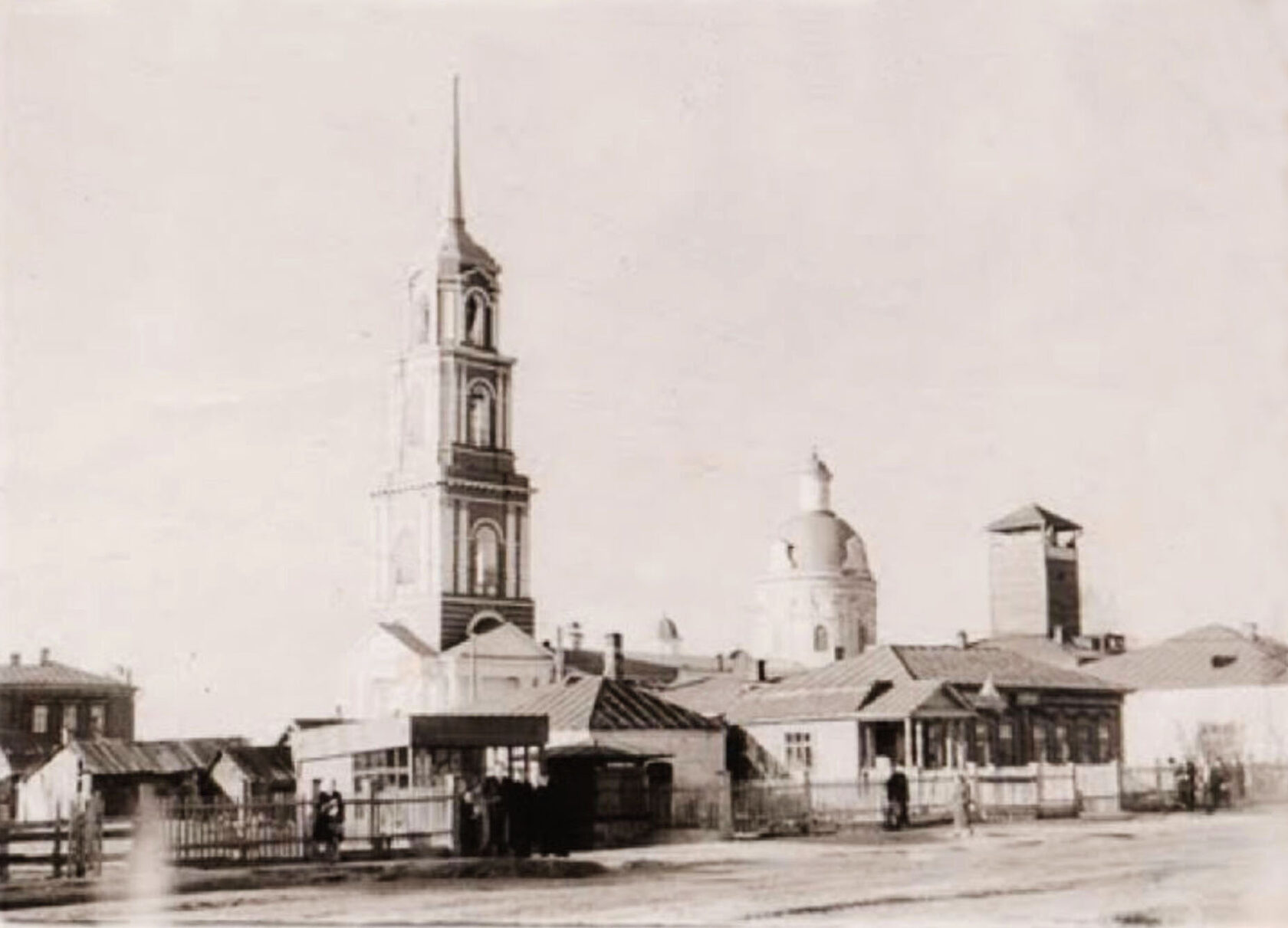
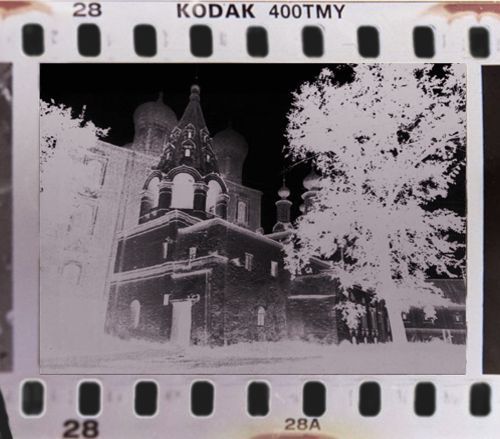
The Church of the Holy Trinity of Tuma
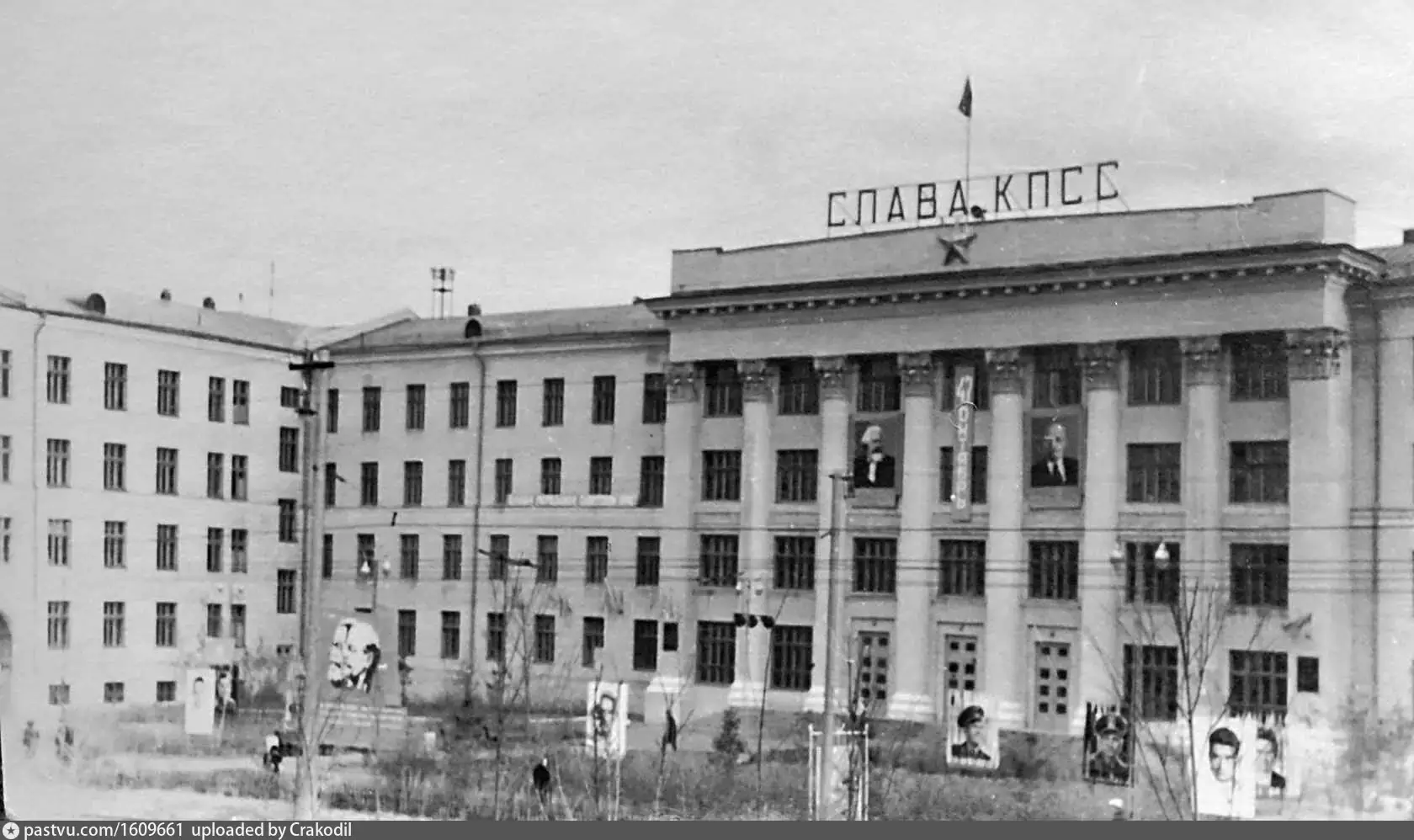
Ryazan Radio Engineering Institute
After graduating from school, he enrolled at the Moscow Electrotechnical Institute of Communications (MEIS). He excelled in his studies—earning mostly top marks—and upon graduation was retained at the institute, where he spent the next three years gaining his first teaching experience.
It was also at the institute that he met the love of his life. After their marriage, the young professionals successfully petitioned to be assigned to Ryazan in 1957: he was appointed to the Ryazan Radio Engineering Institute (RRTE), while his wife, Elizaveta Ivanovna, was sent to work at the Ryazan Oil Refinery.
It was also at the institute that he met the love of his life. After their marriage, the young professionals successfully petitioned to be assigned to Ryazan in 1957: he was appointed to the Ryazan Radio Engineering Institute (RRTE), while his wife, Elizaveta Ivanovna, was sent to work at the Ryazan Oil Refinery.
Photography entered Viktor I. Ageyev’s life unexpectedly: old photographs discovered in an attic struck him with their precision—the very quality he had long sought in drawing. It was then that he realized photography resonated deeply with his soul and would become his life’s calling. In fact, his fascination with photography had begun much earlier; even as a schoolboy, he was already taking his first steps in the art of image-making.
The young Viktor learned photography using a "Fotokor-1" camera that belonged to the father of his school friend, Sergei Strogov. Later, he borrowed a "Zorky"—also not his own. Viktor Ivanovich was only able to buy his very first camera of his own after graduating from university.
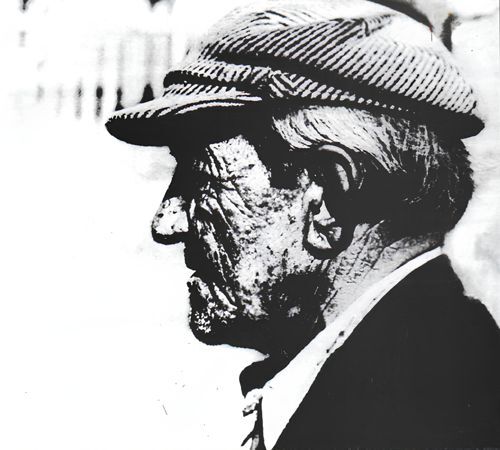
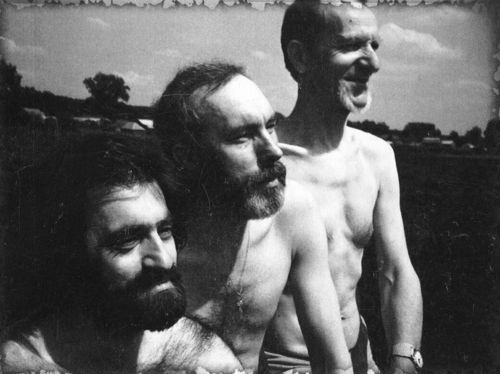
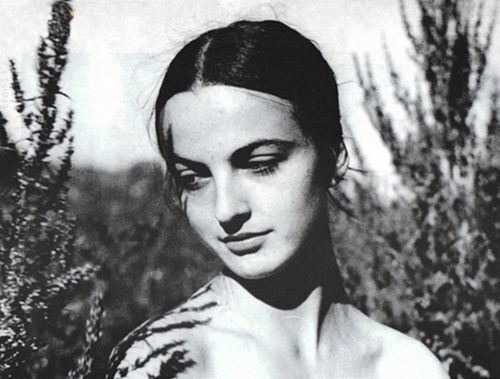
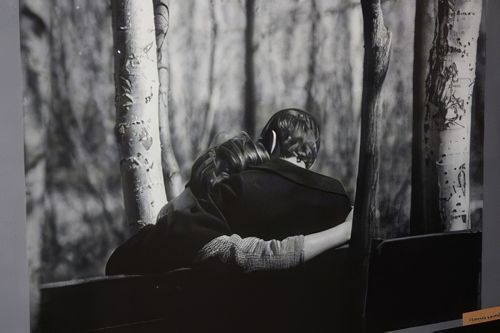
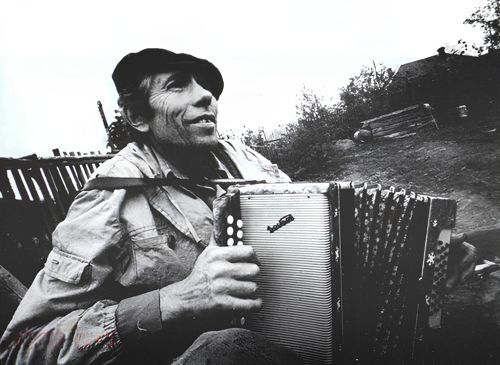
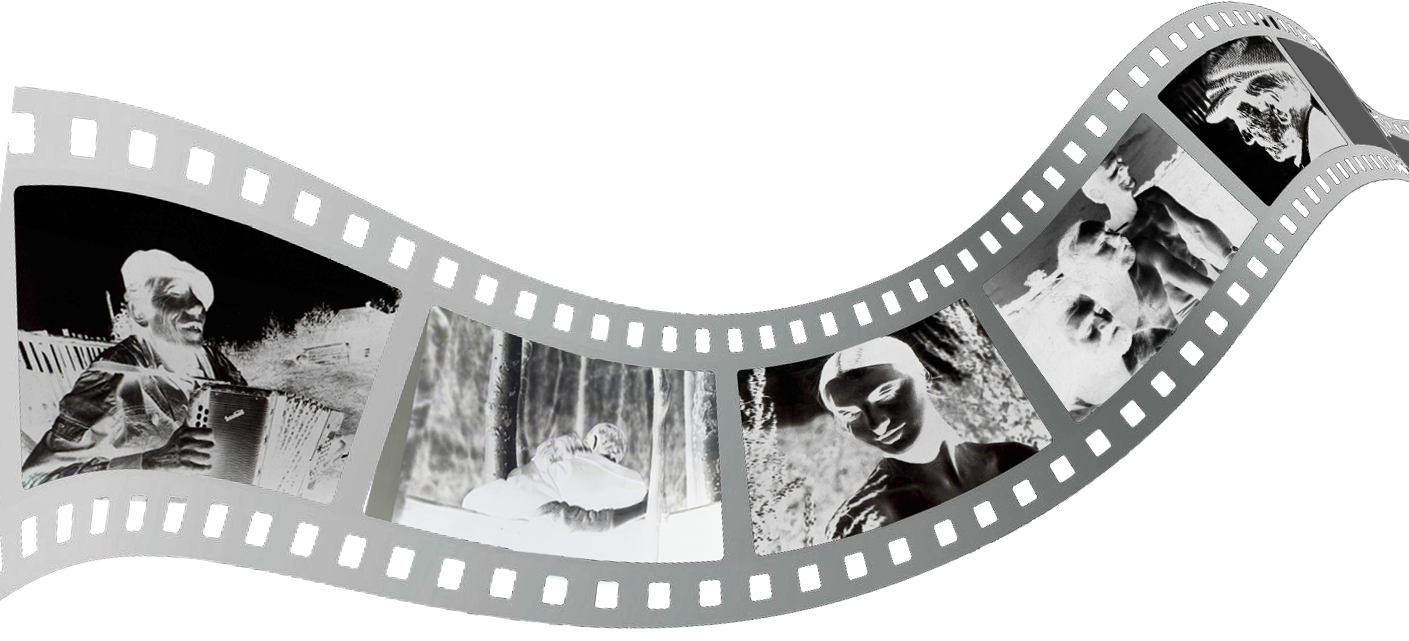
"Mеschera" Photo Studio
Viktor Ivanovich taught far more than photographic technique—he cultivated vision: the ability to sense the inner dynamism and hidden poetry within the ordinary. His legacy is a culture of attentiveness. He taught that the camera is merely a tool; true artistry begins with the capacity to feel.
As the director of the Ryazan Art Museum once wrote about him:
"He saw beauty where others walked past—and he taught others to see it too."
Among his students were Yevgeny Kashirin, Irina Sergeeva, Gennady Shloev, Vladimir Ivanov, and Yevgeny Ivanyuk—talented artists who went on to become renowned masters, carrying forward his vision and dedication.
As the director of the Ryazan Art Museum once wrote about him:
"He saw beauty where others walked past—and he taught others to see it too."
Among his students were Yevgeny Kashirin, Irina Sergeeva, Gennady Shloev, Vladimir Ivanov, and Yevgeny Ivanyuk—talented artists who went on to become renowned masters, carrying forward his vision and dedication.
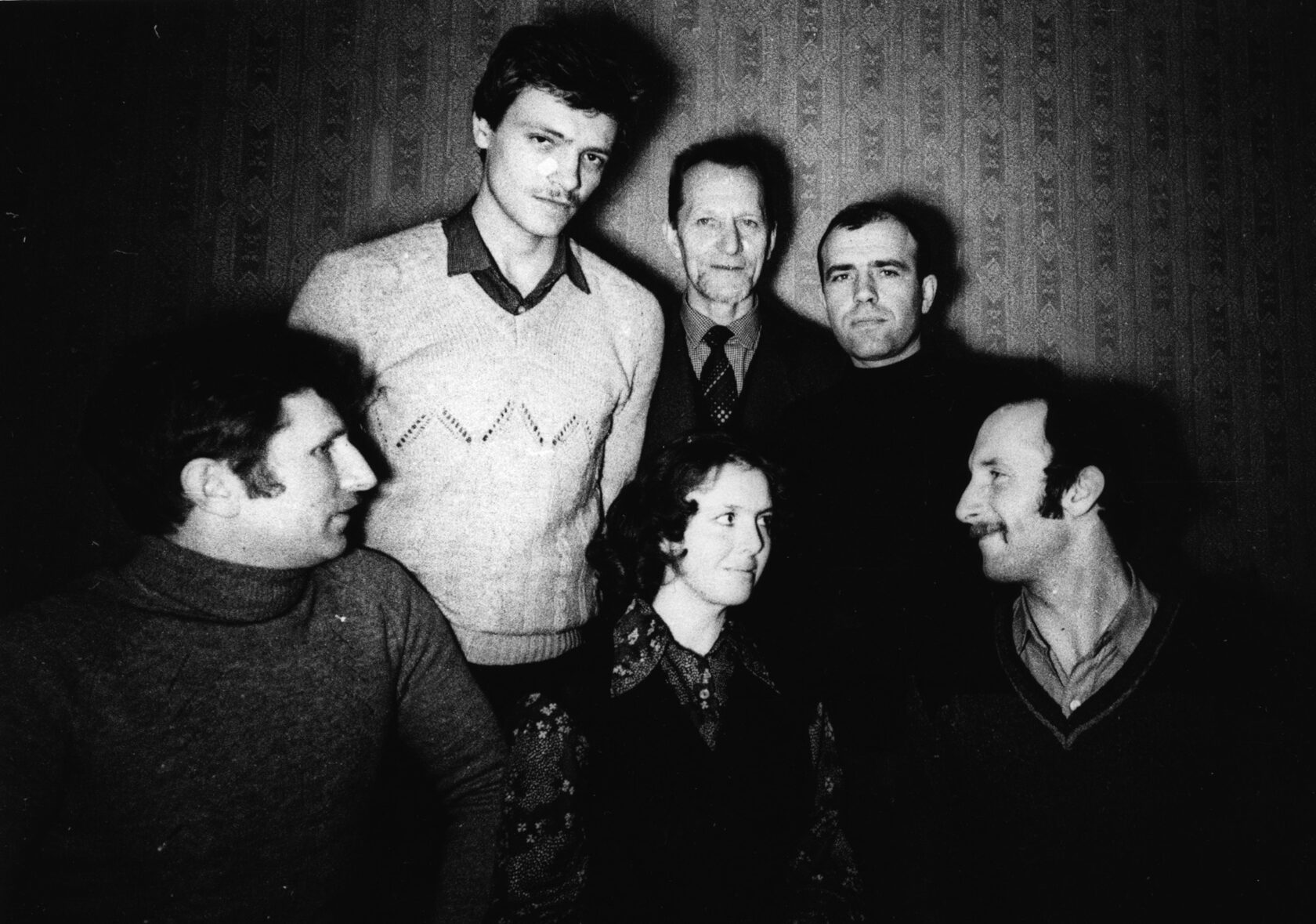
In the foreground: Boris Kozlov, Irina Sergeeva, Evgeny Ivanyuk. There are: Peter Shaposhnikov, Viktor Ivanovich Ageev and Nikolai Vereshchagin. The end of the 1970s.
The master’s finest landscapes are always psychological, imbued with his personal vision and contemplation. Viktor Ivanovich himself shied away from loud, journalistic imagery, favoring portraiture and the nude—genres in which the essence lies not in form, but in the state of the soul.
"Not women—goddesses. Not faces—icons," critics once wrote of his work.
"Not women—goddesses. Not faces—icons," critics once wrote of his work.
Today, looking at his photographs, one realizes: they are not about the past, but about the timeless. They remind us that a true photographer is not merely someone who captures moments—but one who leaves a piece of their soul in every frame.
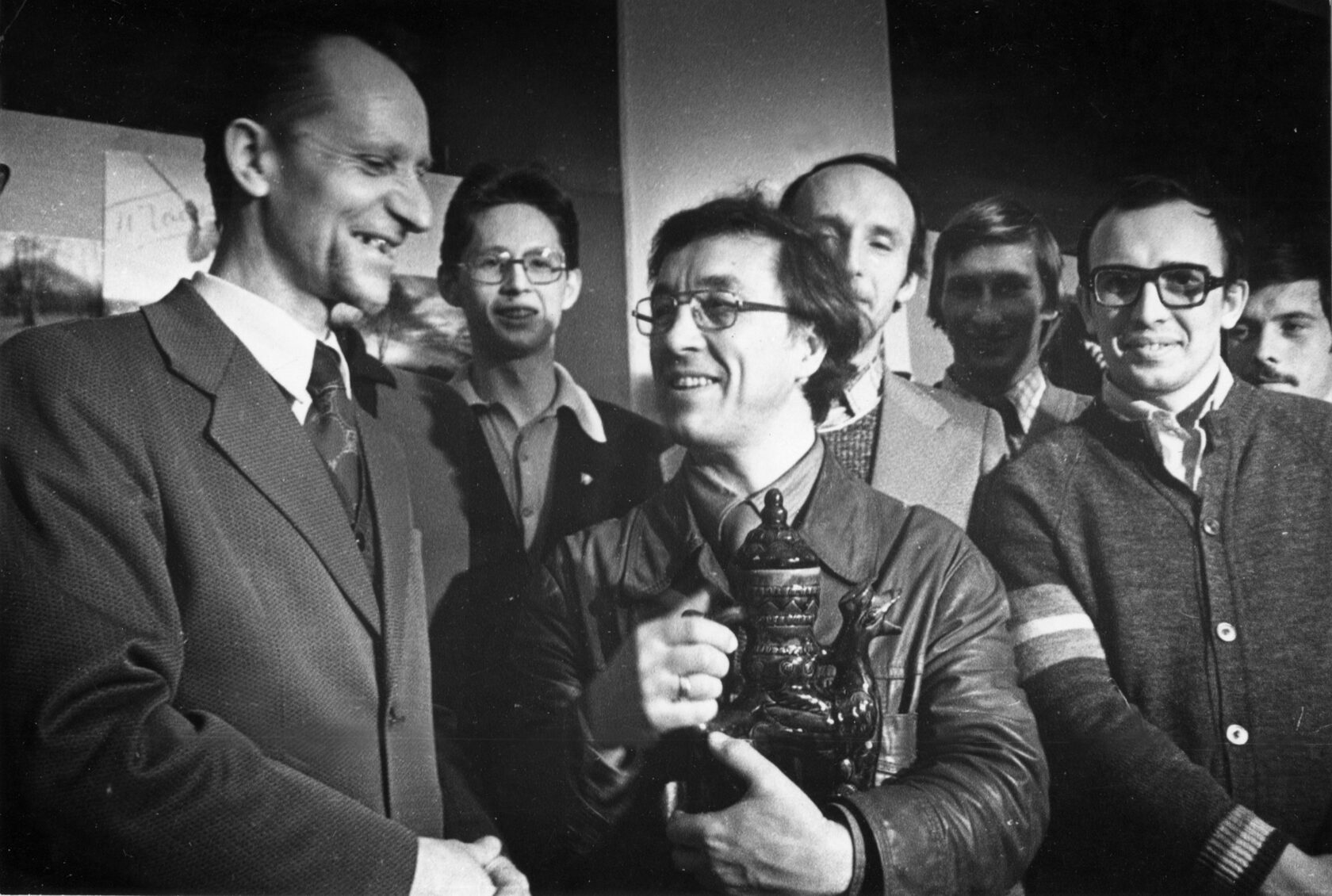
From left to right: Viktor Ageyev, APN photographer Oleg Makarov.
In Ryazan, Viktor I. Ageyev quickly formed a close rapport with Viktor Andreevich Volgov (1912−1981), a professor at the Ryazan Radio Engineering Institute (RREI).
A brief note on V. A. Volgov: he was a veteran of the Great Patriotic War, having served in the coastal units of the Red Banner Baltic Fleet, and was awarded the Order of the Red Banner.
The photographic society at RRTI was organized by Professor V. A. Volgov in 1961, and V. I. Ageev was actively involved in the work in 1966, the Meshchera photo club, which in 1975 received the status of a national photo studio. Thus, the team became the first student photography collective in the country to be awarded such a title. Among the founders and active participants were V. Ageev, V. Volgov, V. Sidorkin, Y. Grishaev, V. Yurko and others.rs.
Viktor I. Ageyev always regarded his participation in the annual regional photography exhibition at the Ryazan Art Museum in 1959 as his photographic debut: two modest landscapes of Solotcha earned him a Third Degree Diploma.
A brief note on V. A. Volgov: he was a veteran of the Great Patriotic War, having served in the coastal units of the Red Banner Baltic Fleet, and was awarded the Order of the Red Banner.
The photographic society at RRTI was organized by Professor V. A. Volgov in 1961, and V. I. Ageev was actively involved in the work in 1966, the Meshchera photo club, which in 1975 received the status of a national photo studio. Thus, the team became the first student photography collective in the country to be awarded such a title. Among the founders and active participants were V. Ageev, V. Volgov, V. Sidorkin, Y. Grishaev, V. Yurko and others.rs.
Viktor I. Ageyev always regarded his participation in the annual regional photography exhibition at the Ryazan Art Museum in 1959 as his photographic debut: two modest landscapes of Solotcha earned him a Third Degree Diploma.
V. A. Volgov was not only an outstanding specialist in radio engineering but also a gifted photographic chronicler of the Soviet era. Wherever he went throughout his life, he always carried a camera and captured the world around him. It was this shared passion that laid the foundation for a deep and lasting friendship between the two Viktors.
Later, Viktor I. Ageyev formed meaningful connections with distinguished fellow photographers: ophthalmologist Sergei Borisovich Ptitsa (1905−1974) and Vladimir Nikolaevich Savvov (1 900−1980), whose portrait of S. A. Yesenin’s mother became a treasured gem of Russian photographic art.
Between 1969 and 1984, a defining feature of Soviet photographic life was the series of eight major inter-club exhibitions—"Mir. Trud. Molodezh" ("Peace. Labor. Youth") and "FotoMeshchera"—hosted by the "Meshchera" studio on the initiative of Viktor I. Ageyev. These exhibitions brought together photographic collectives from eleven Soviet republics, becoming a significant cultural phenomenon of the era.
Viktor Ivanovich Ageyev did not merely create photographs—he cultivated an entire creative environment. He was the driving force and curator behind "FotoOrbita," a unique circular exchange of club portfolios among cities across the USSR. The network spanned from Murmansk to Baku and Odesa, from Vilnius to Novosibirsk, and included Moscow and Leningrad, Minsk and Tallinn, Karaganda and Feodosia, Gorky and Perm, Cheboksary and Yoshkar-Ola, Riga and Tula, Chișinău, Mogilev, and many others.
V.I. Ageev recalled: "In those years, I already realized that it was necessary to teach children how to photograph using the best examples of artistic photography. And here the experience of the Baltic craftsmen was indispensable, especially such as Gunar Binde, Janis Glazds..."
Viktor Ivanovich Ageyev did not merely create photographs—he cultivated an entire creative environment. He was the driving force and curator behind "FotoOrbita," a unique circular exchange of club portfolios among cities across the USSR. The network spanned from Murmansk to Baku and Odesa, from Vilnius to Novosibirsk, and included Moscow and Leningrad, Minsk and Tallinn, Karaganda and Feodosia, Gorky and Perm, Cheboksary and Yoshkar-Ola, Riga and Tula, Chișinău, Mogilev, and many others.
V.I. Ageev recalled: "In those years, I already realized that it was necessary to teach children how to photograph using the best examples of artistic photography. And here the experience of the Baltic craftsmen was indispensable, especially such as Gunar Binde, Janis Glazds..."
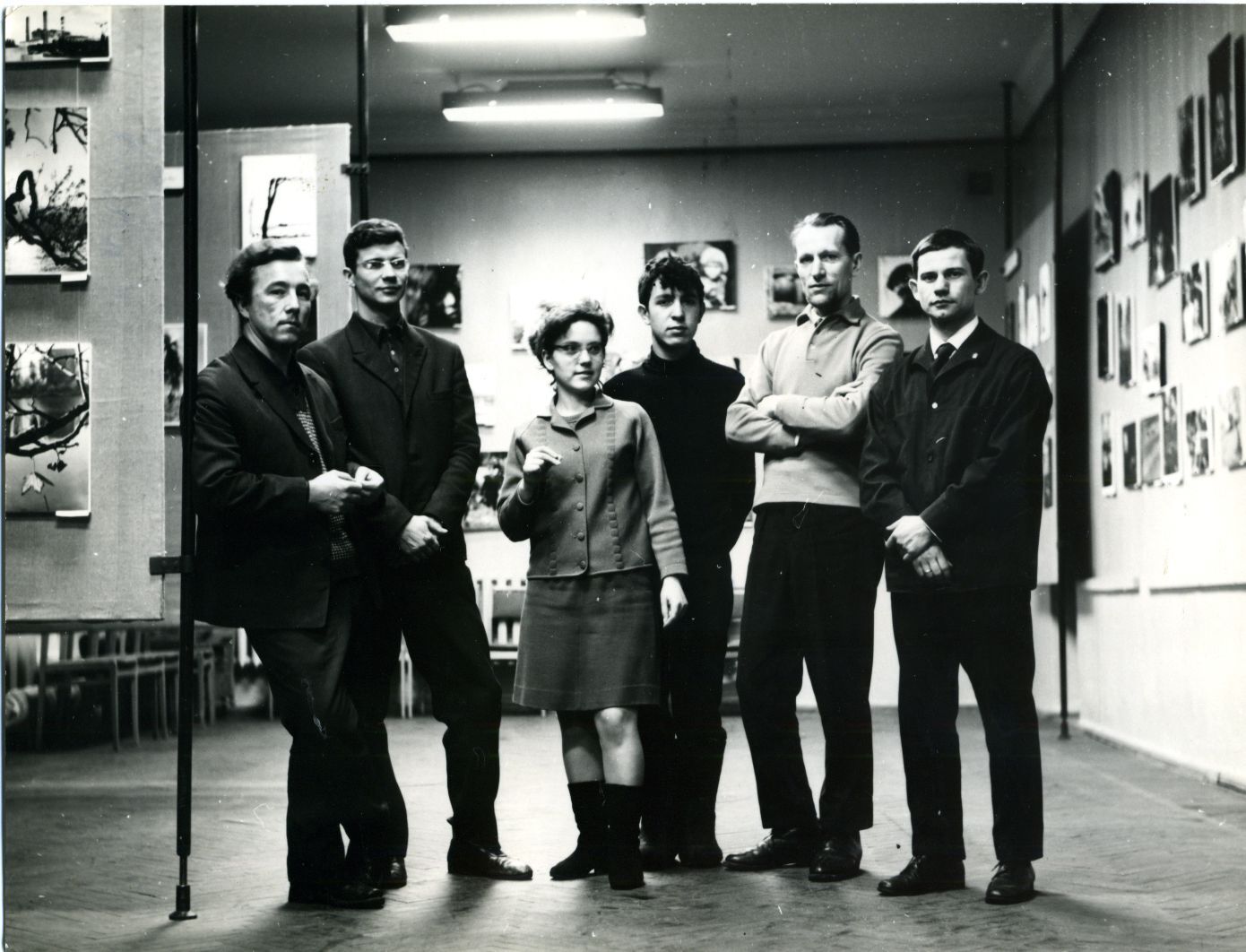
At the opening of the photo exhibition. From left to right: Oleg Makarov, Yuri Grishaev, Director of the exhibition hall, Evgeny Kashirin, Viktor Ageev, Sergey Romanov. Mid‑1970s
The 1980s
That was long ago… when cameras were large, telephones were tethered, and people were free.
After my army service, I enrolled in 1981 at the Ryazan Radio Engineering Institute, Faculty of Computer Engineering. I’d been a devoted radio amateur since school. Back then, there were no photocopiers or mobile phones—so to preserve circuit diagrams from magazines, I got myself a camera: the Zenit-ET. A real SLR!
After my army service, I enrolled in 1981 at the Ryazan Radio Engineering Institute, Faculty of Computer Engineering. I’d been a devoted radio amateur since school. Back then, there were no photocopiers or mobile phones—so to preserve circuit diagrams from magazines, I got myself a camera: the Zenit-ET. A real SLR!
Wanting to learn not just how to shoot—but, even more importantly, how to print—I signed up for some vaguely defined photo club. We didn't really learn anything there; mainly, the young instructor earned a little extra. For the report, our photos were pinned up in the trade union office. That’s where Viktor Ivanovich saw my clumsy attempts—and soon after, I received an invitation to join the photo studio. It turned out to be right in the next dormitory over.
On the fourth floor, two rooms had been allocated for the studio: a proper darkroom—lavishly equipped—and a meeting room.
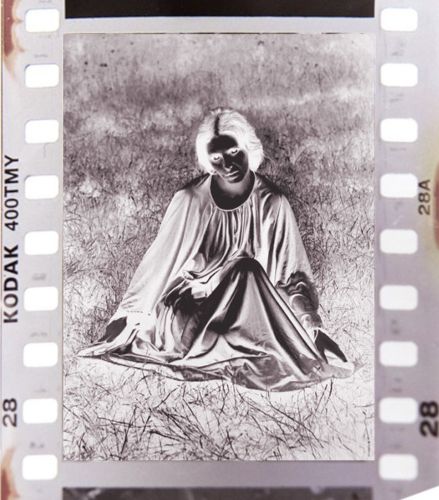
Cameras weighed like bricks, and your neck became the tripod. We carried those 36 exposures like gold dust from a mine. Every shutter click was a philosophy in itself: *"What if this is the best one?"* Mess up the exposure—hello, darkness. Miss the focus—accidental near-art.
Red light in the bathroom: pure romance—though you’d better not inhale the developer too deeply. Everyone had their own secret developer recipe. Three trays lined up: developer, stop bath, fixer—the three acts of a tragedy with a happy ending. Your fingers smelled of vinegar, but your heart beat for premieres of grand 10×15 masterpieces. Contrast was saved with filters, and patience was kept alive through whispered pleas to the photo paper: "Come on, show yourself…"
Photo paper curled like a photographer's temperament—but the grain warmed your soul. And, of course, frame No. 37 was always made by sheer hope, defying arithmetic. We believed in light, counted seconds, and argued with time using tongs. Then we hung prints to dry with clothespins—and felt like alchemists.
Today, a photo is just one tap away… but where can you still find that scent, that taste of anticipation? Back then, a whole life fit into 36 frames—it just took a little longer to appear.
Wanting to learn not just how to shoot—but, even more importantly, how to print—I signed up for some vaguely defined photo club. We didn't really learn anything there; mainly, the young instructor earned a little extra. For the report, our photos were pinned up in the trade union office. That’s where Viktor Ivanovich saw my clumsy attempts—and soon after, I received an invitation to join the photo studio. It turned out to be right in the next dormitory over.
On the fourth floor, two rooms had been allocated for the studio: a proper darkroom—lavishly equipped—and a meeting room.
Cameras weighed like bricks, and your neck became the tripod. We carried those 36 exposures like gold dust from a mine. Every shutter click was a philosophy in itself: *"What if this is the best one?"* Mess up the exposure—hello, darkness. Miss the focus—accidental near-art.
Red light in the bathroom: pure romance—though you’d better not inhale the developer too deeply. Everyone had their own secret developer recipe. Three trays lined up: developer, stop bath, fixer—the three acts of a tragedy with a happy ending. Your fingers smelled of vinegar, but your heart beat for premieres of grand 10×15 masterpieces. Contrast was saved with filters, and patience was kept alive through whispered pleas to the photo paper: "Come on, show yourself…"
Photo paper curled like a photographer's temperament—but the grain warmed your soul. And, of course, frame No. 37 was always made by sheer hope, defying arithmetic. We believed in light, counted seconds, and argued with time using tongs. Then we hung prints to dry with clothespins—and felt like alchemists.
Today, a photo is just one tap away… but where can you still find that scent, that taste of anticipation? Back then, a whole life fit into 36 frames—it just took a little longer to appear.
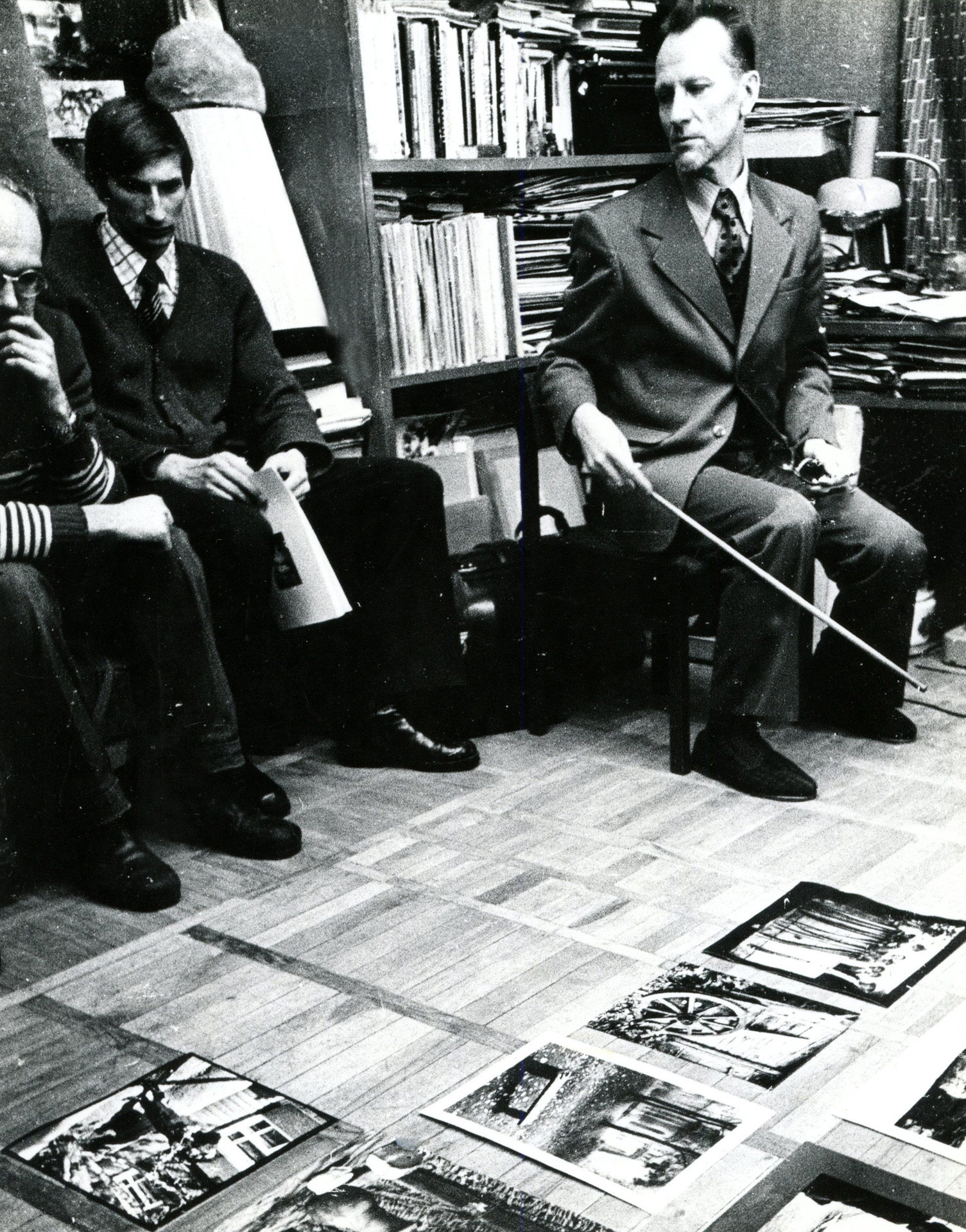
Discussion of the collection in the photo studio.
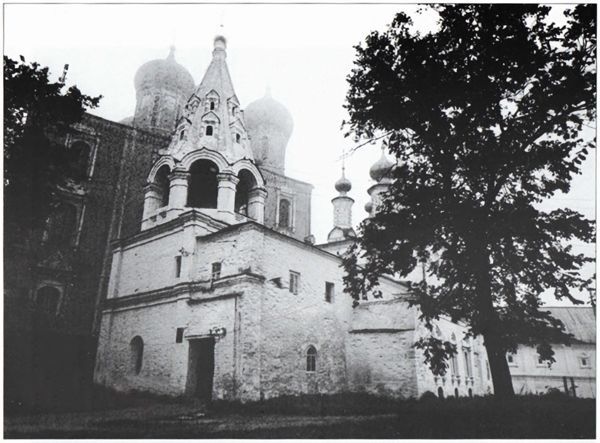
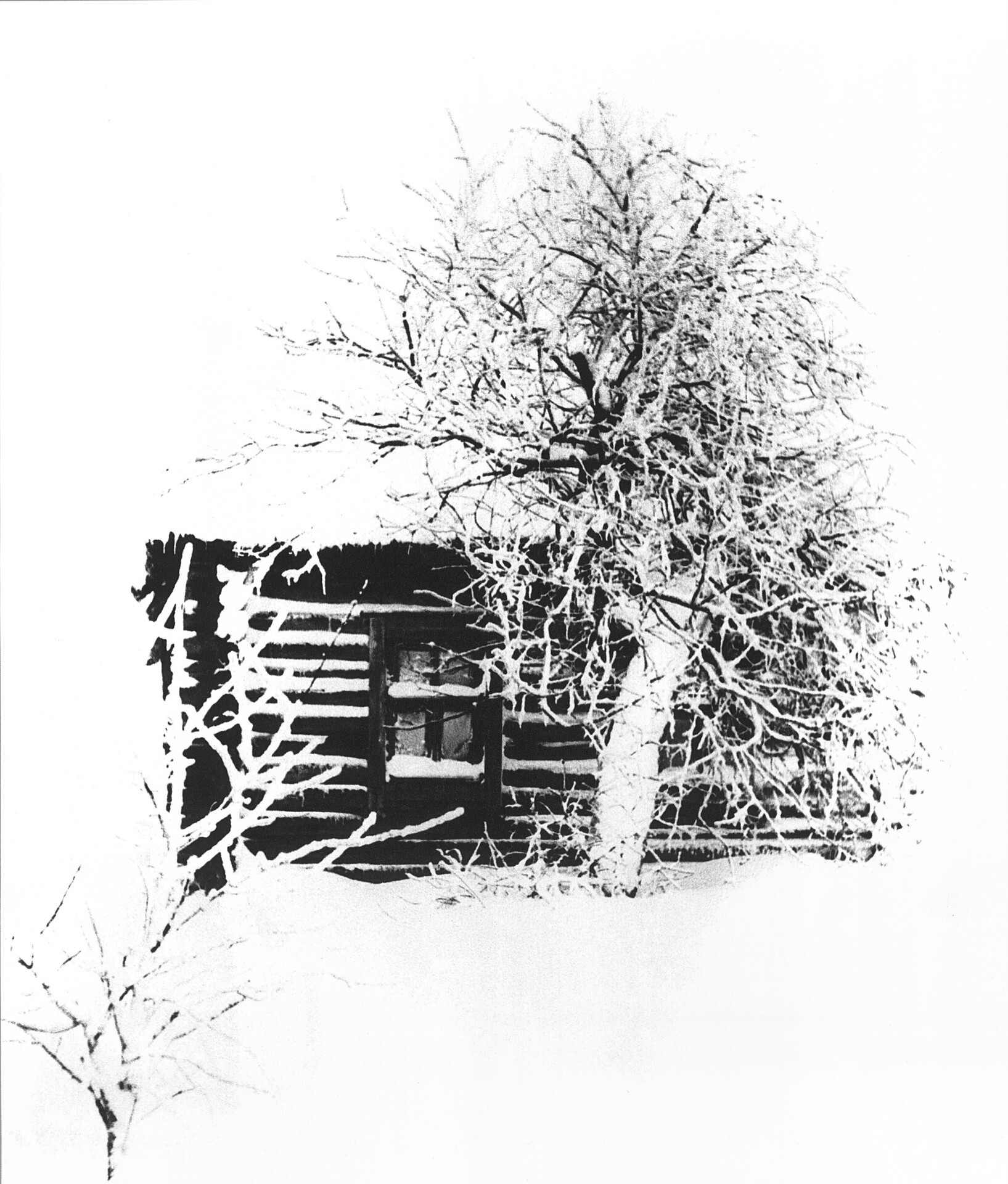
Yesenin’s Cottage, 1975
Fellow Villagers, 1966
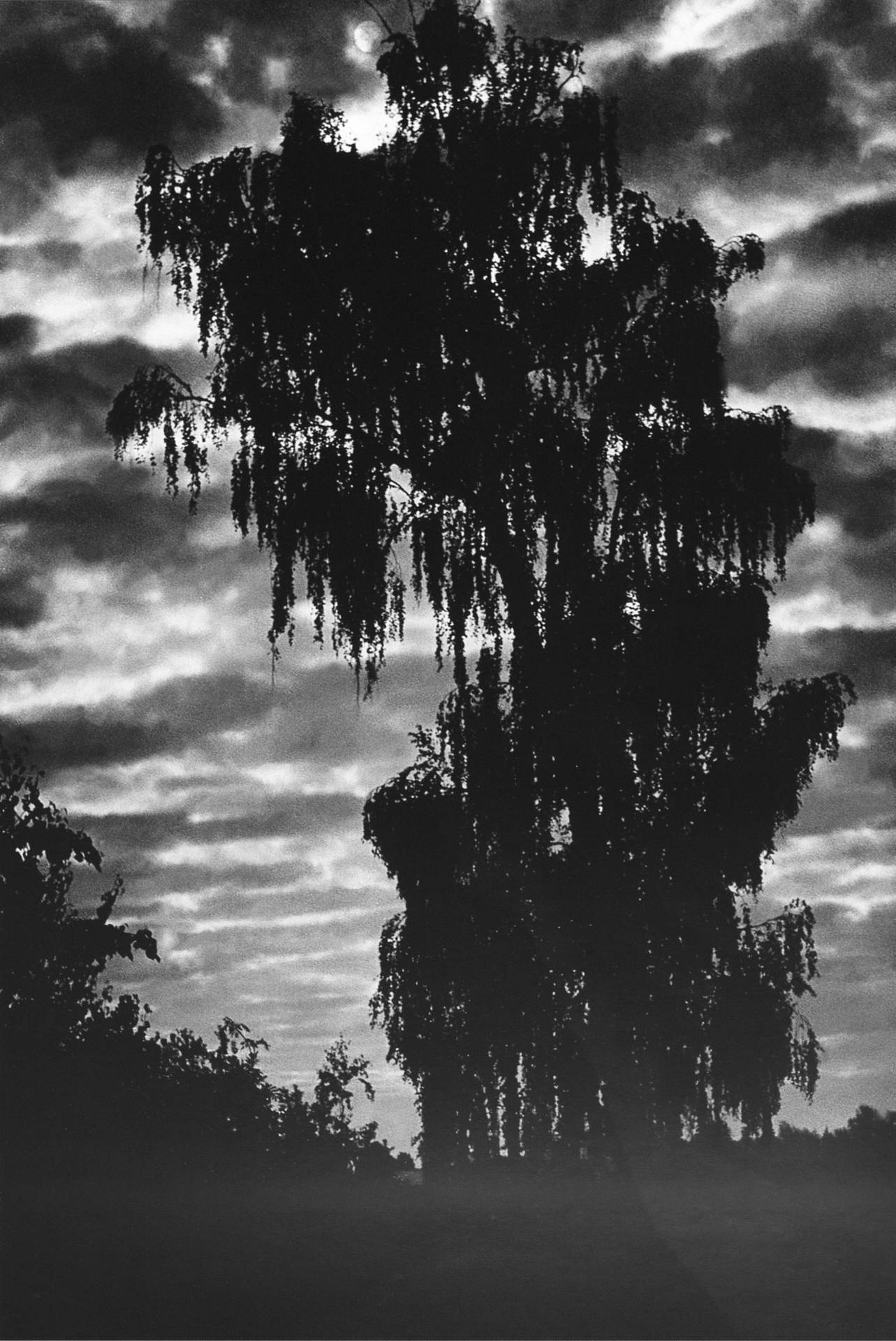
“The Evening Has Furrowed Its Black Brows…” 1972
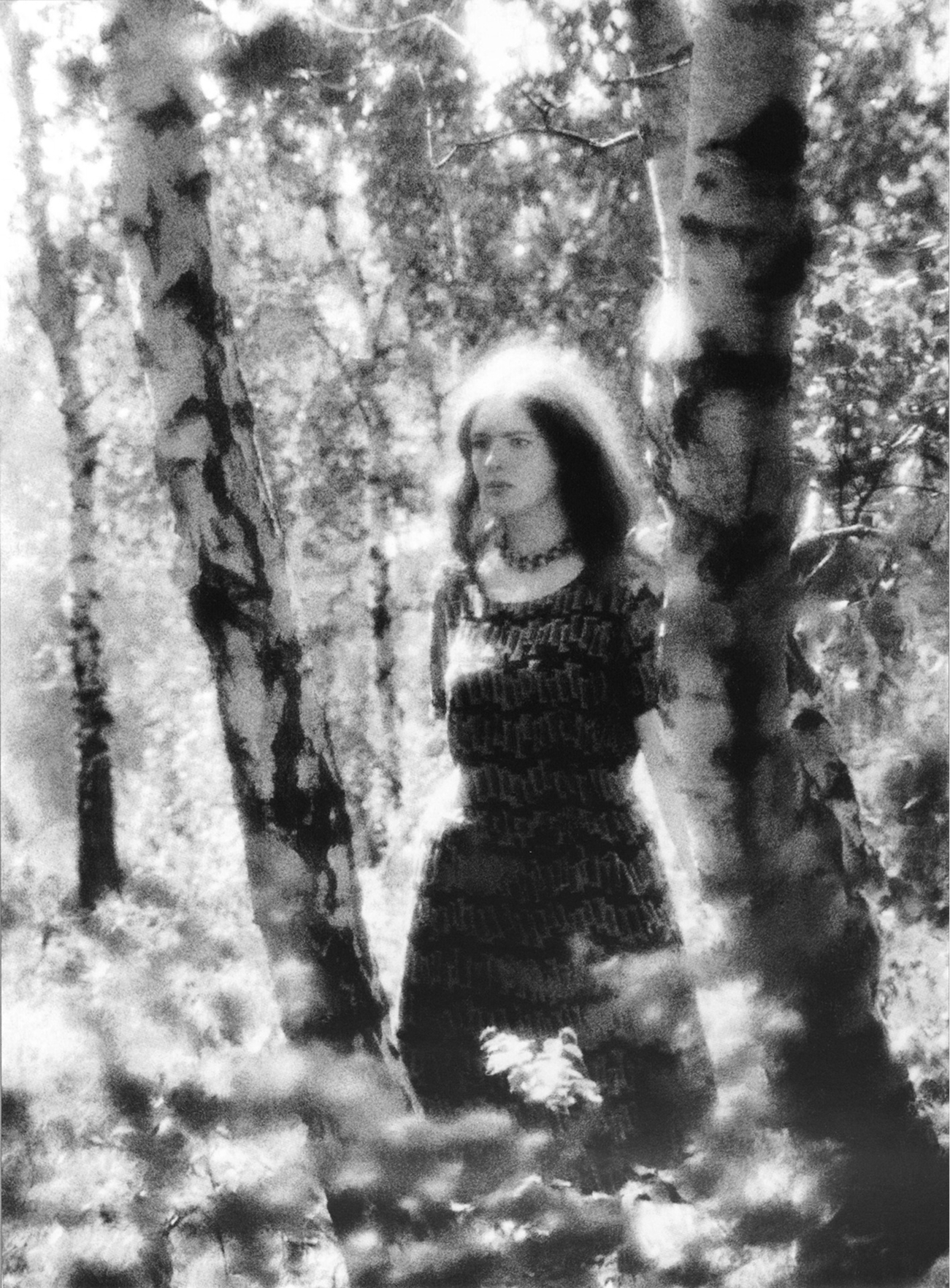
"Birch girls!". 1975
Daydreams. 1976
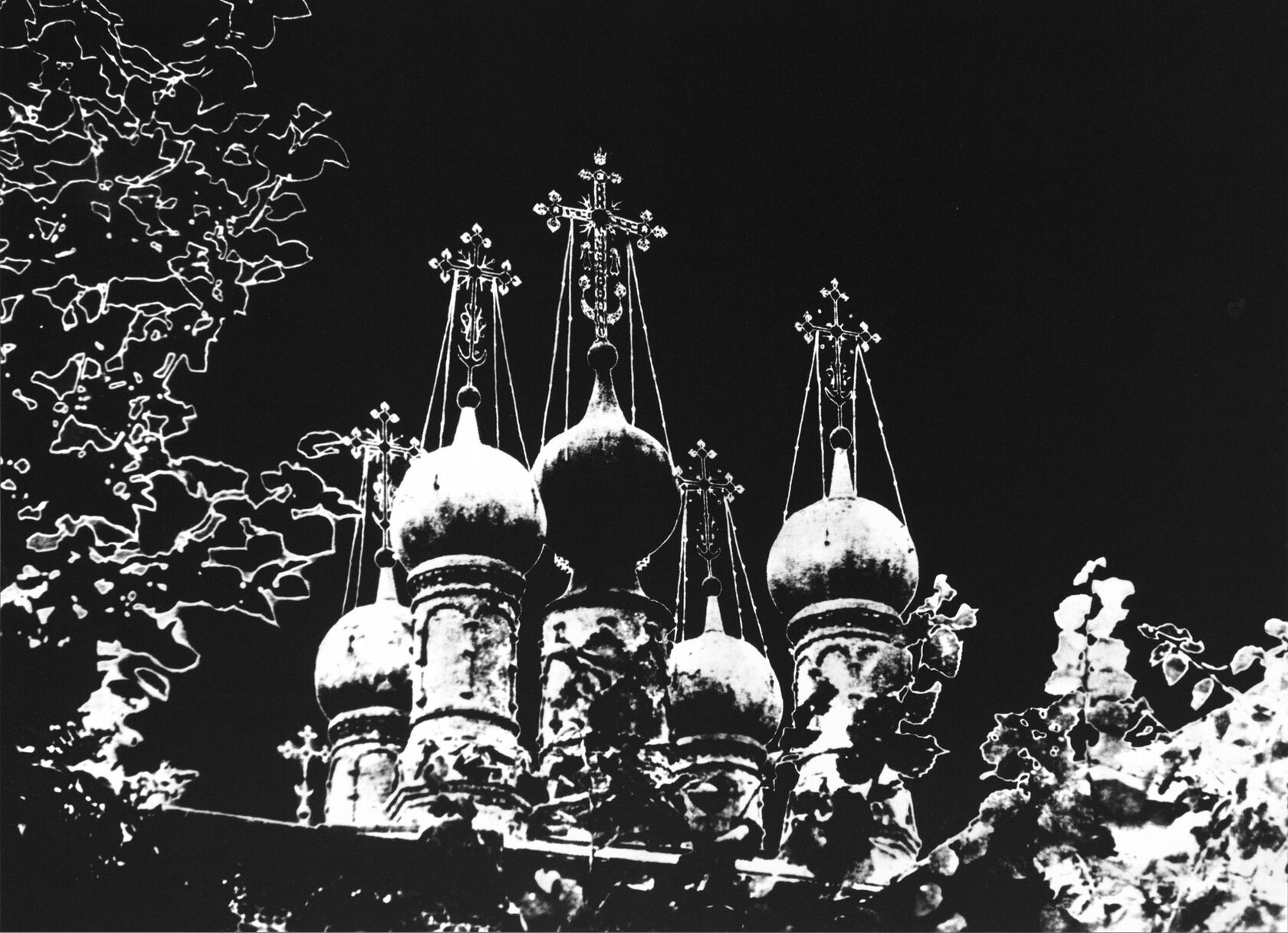
Ryazan Domes, 1970
The Snowy Silence, 1970
Travelers, 1961
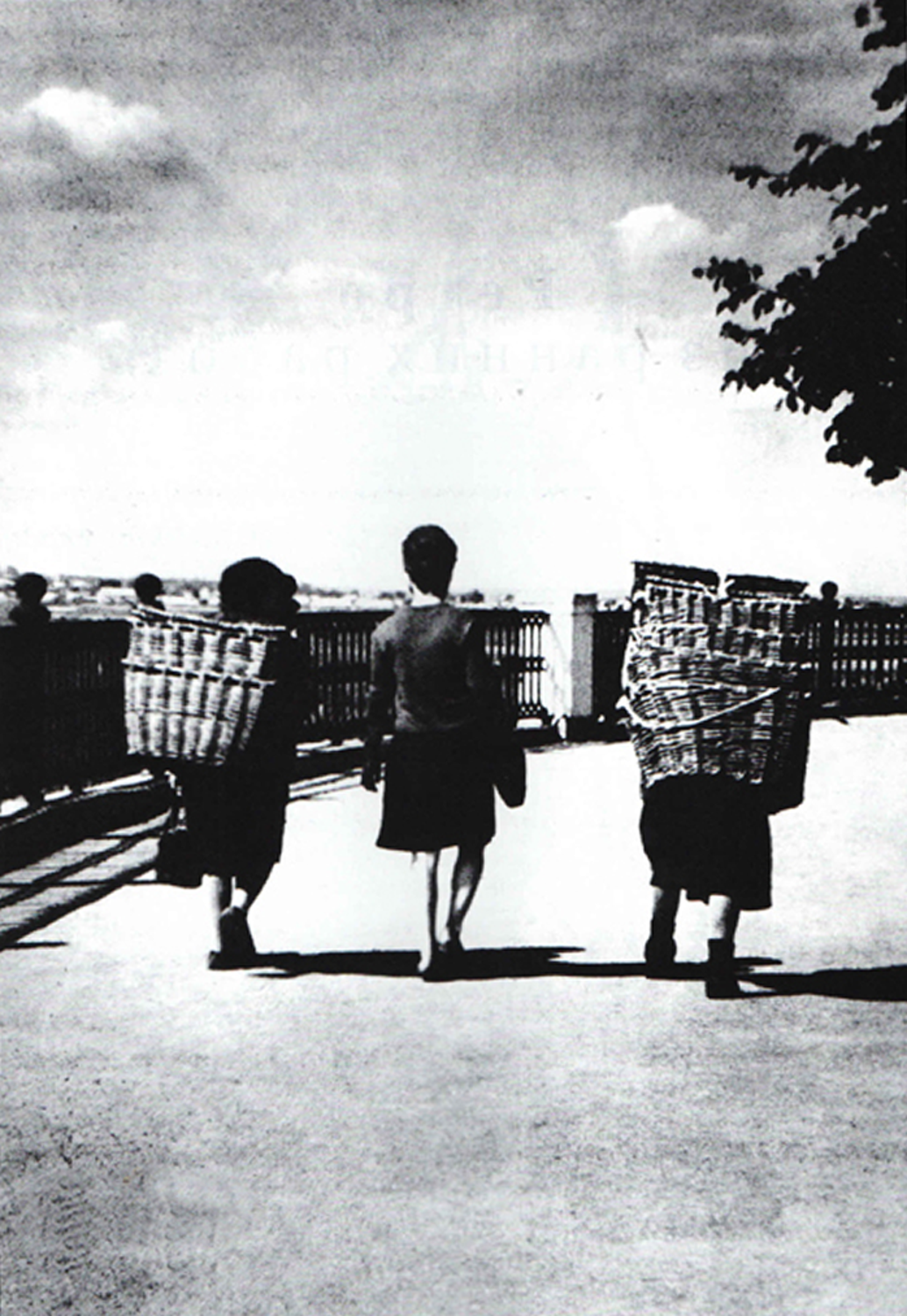
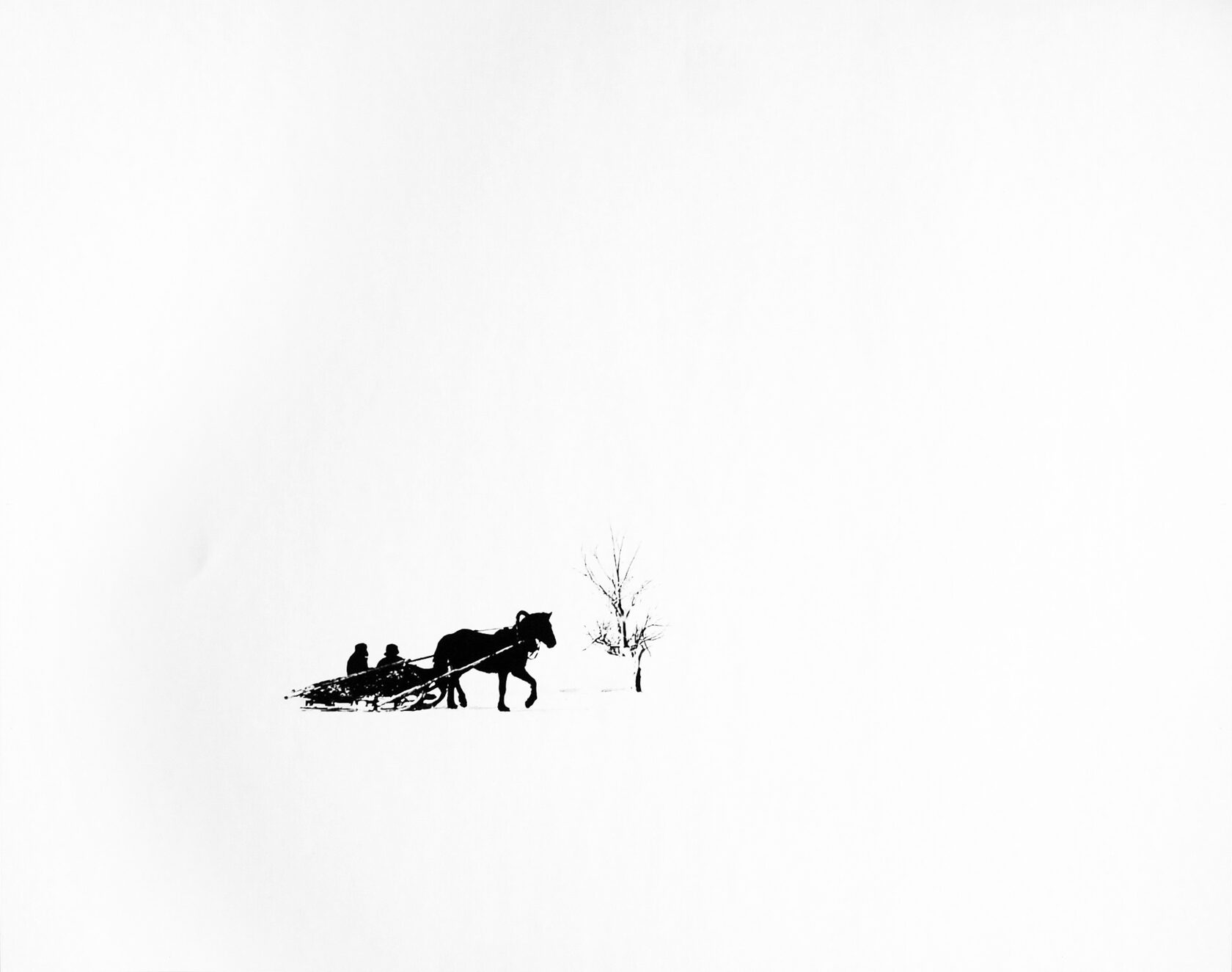
Landscape
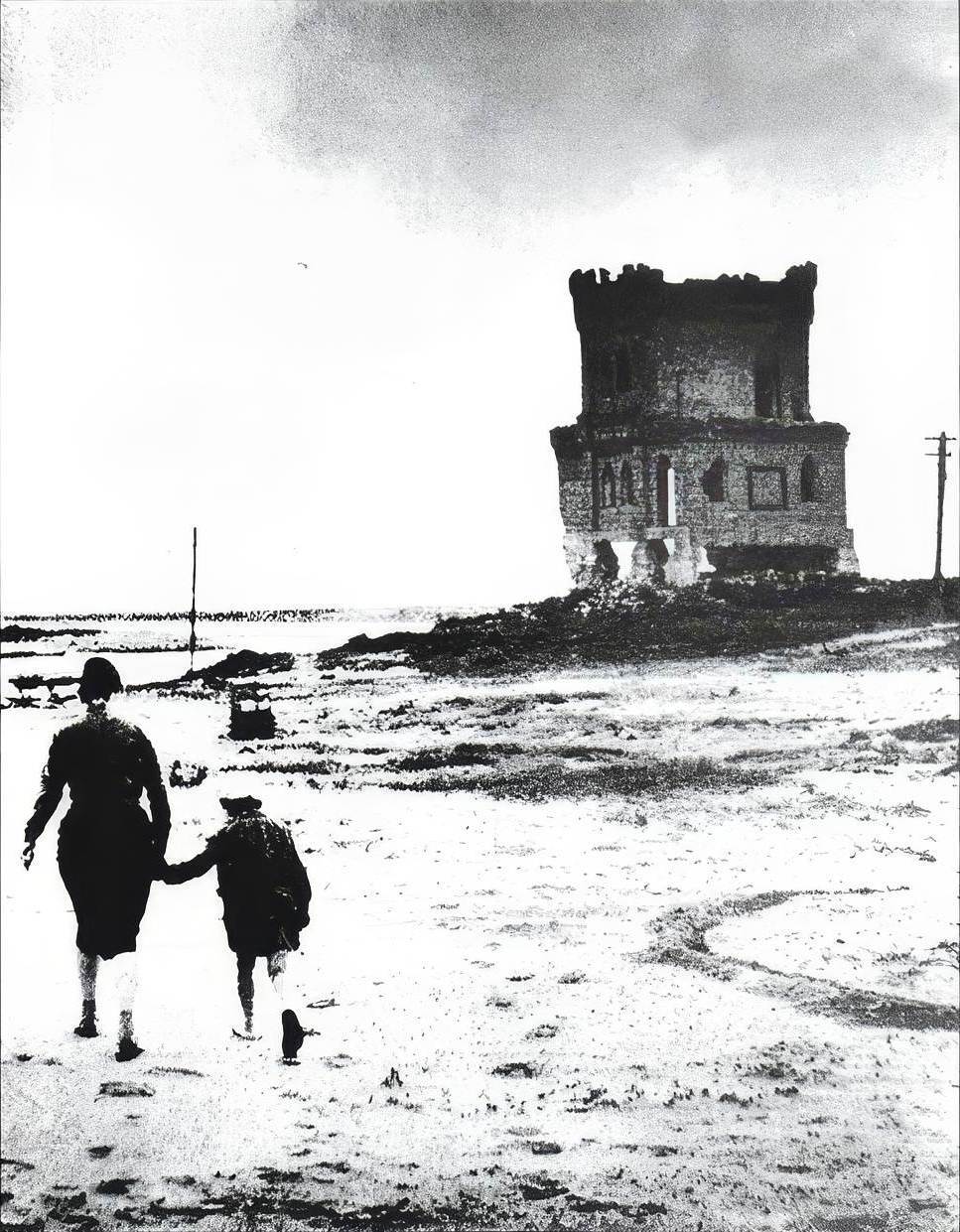
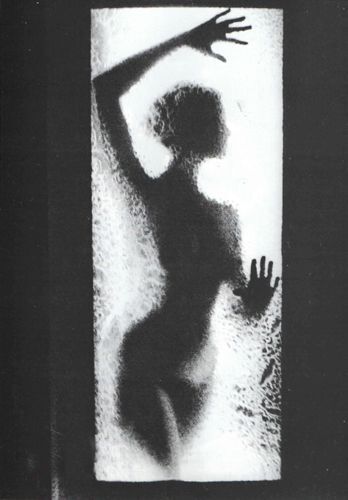
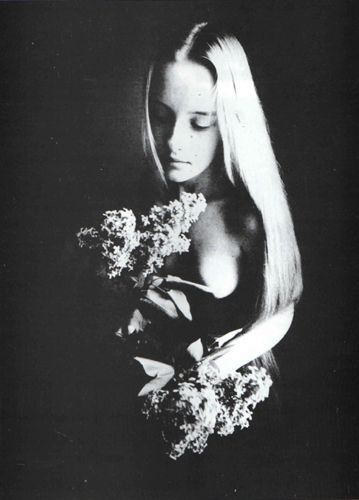
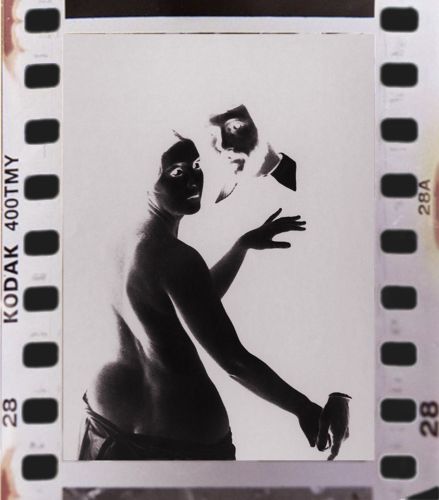
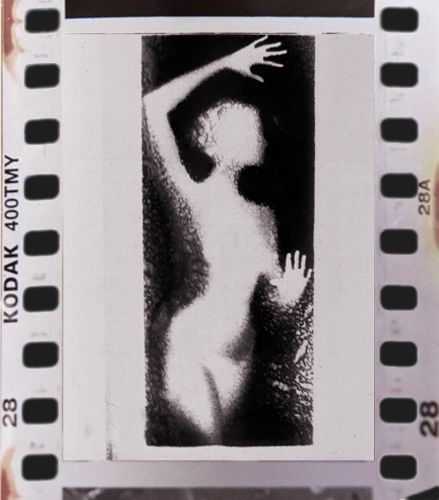
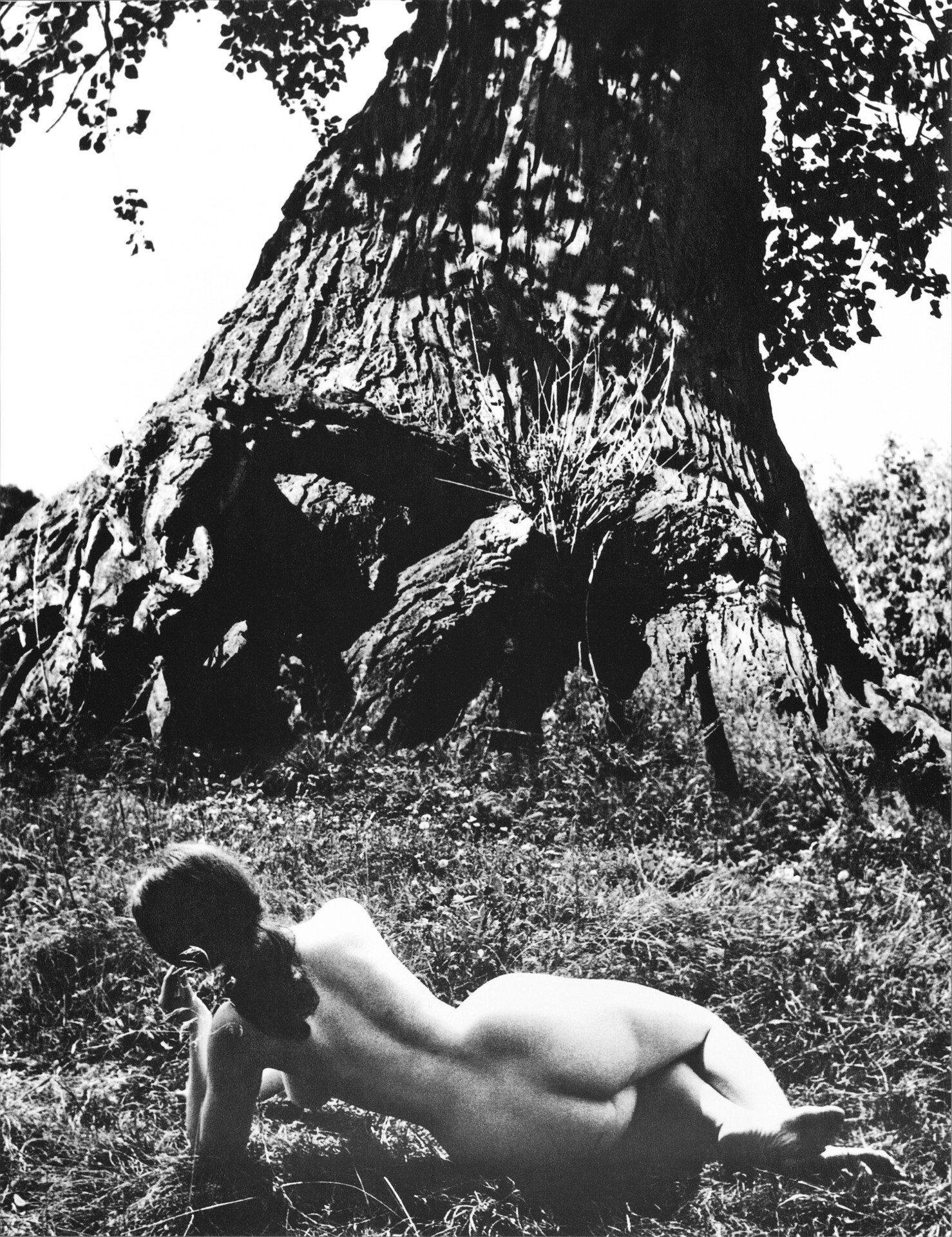
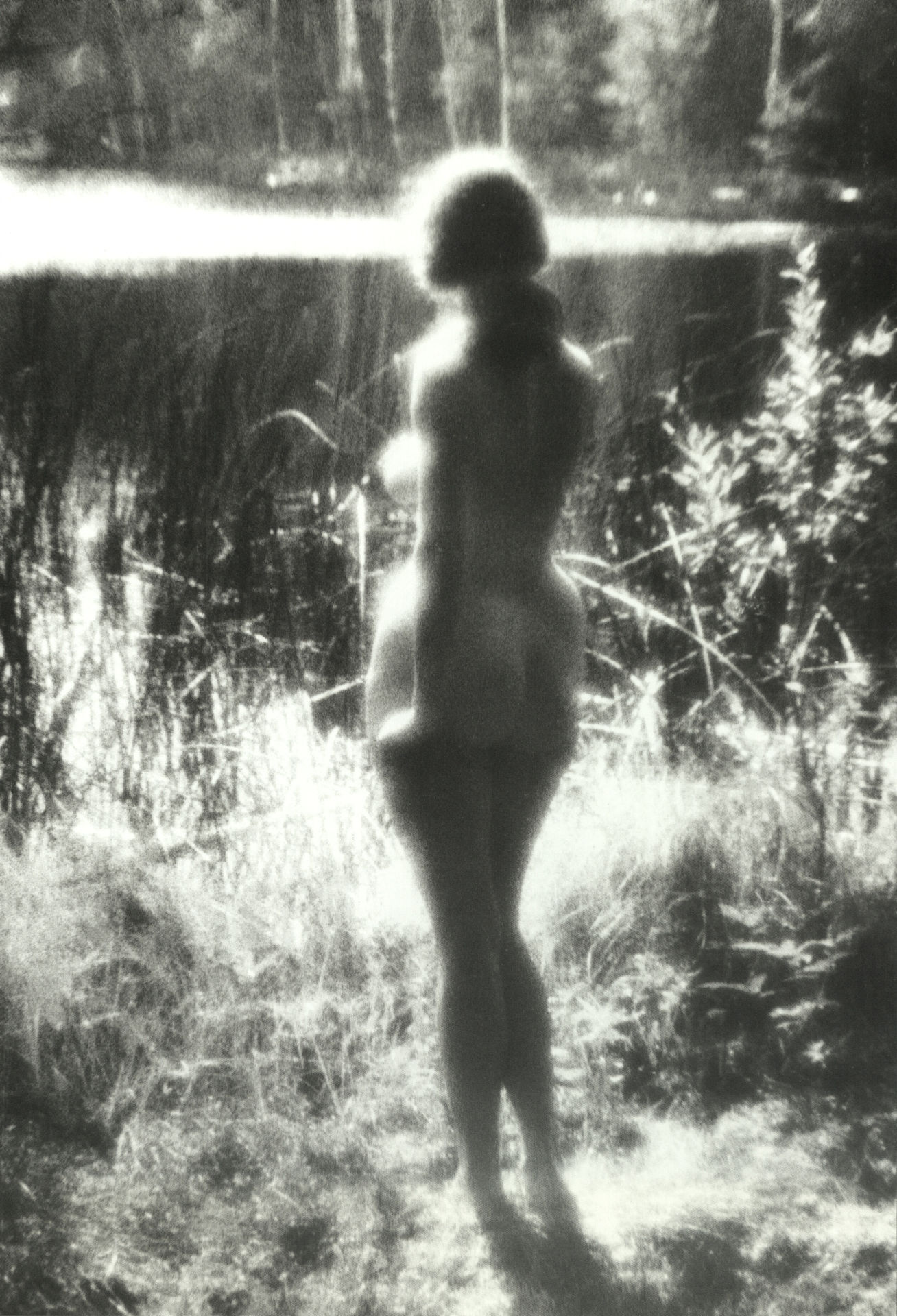
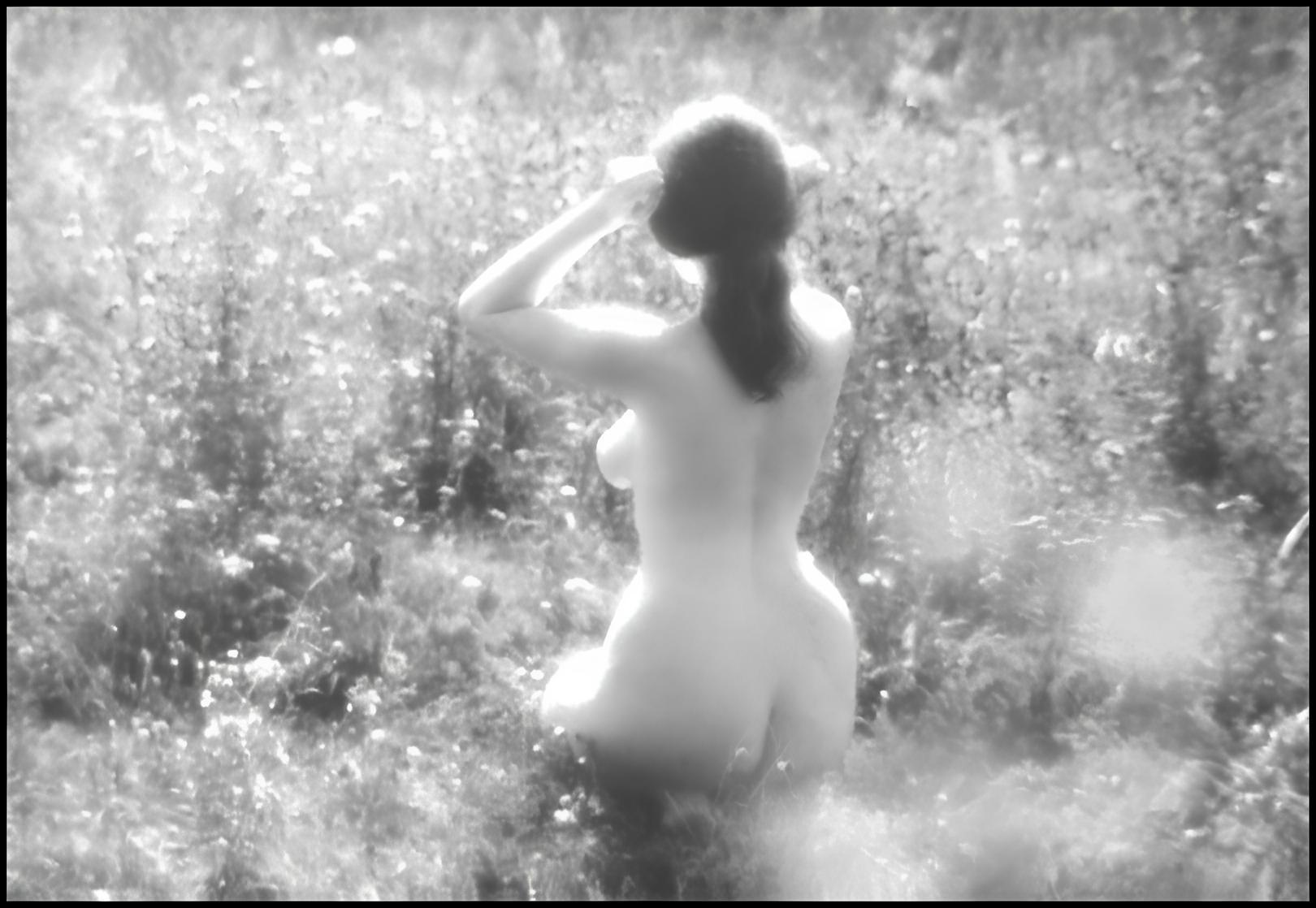
Summer
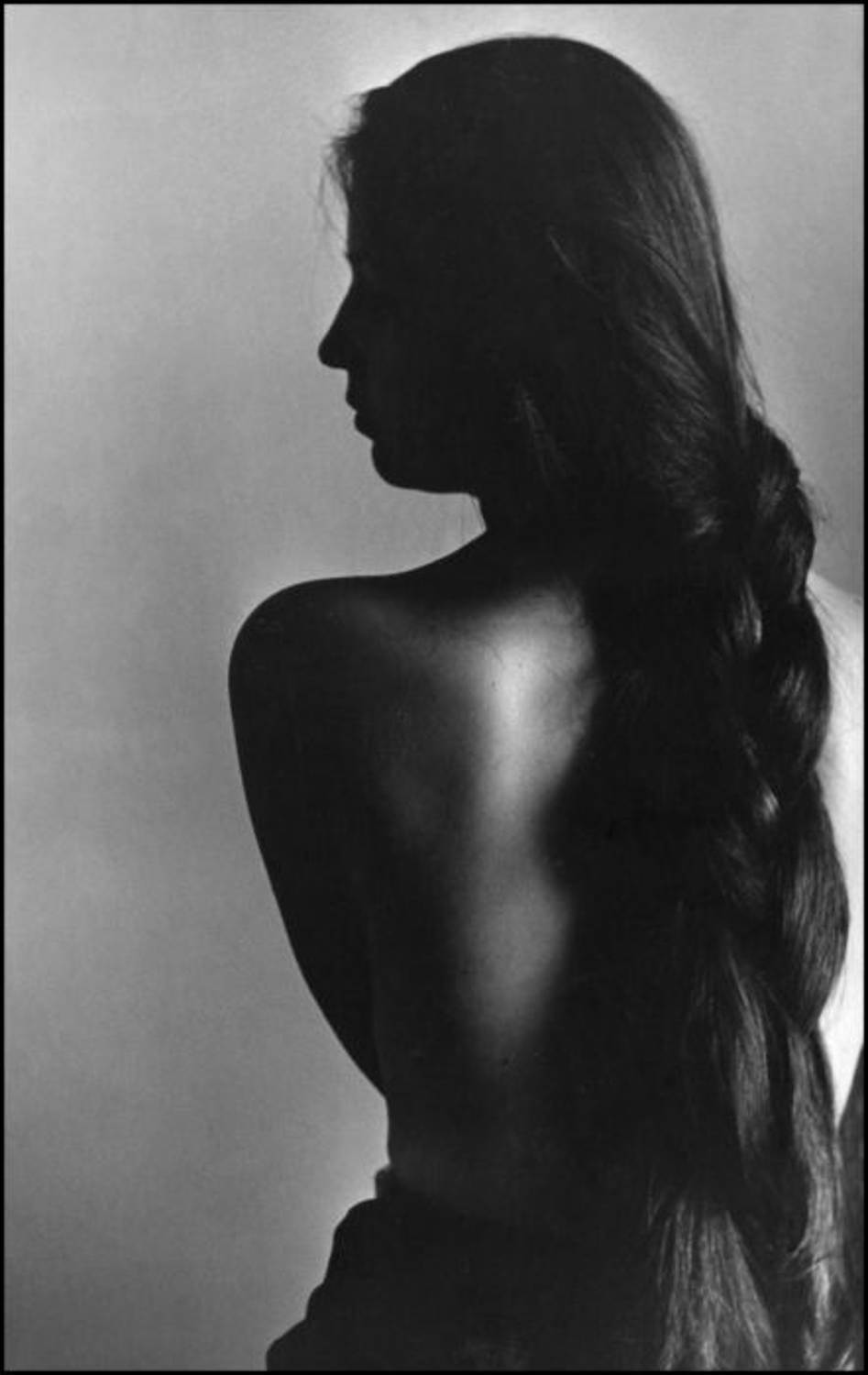
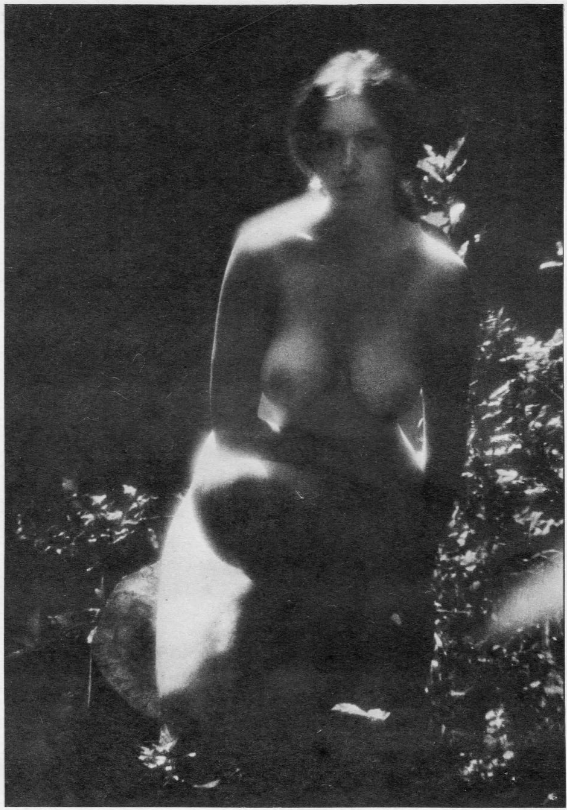
“…Worlds rush by. Years rush by…”, 1987
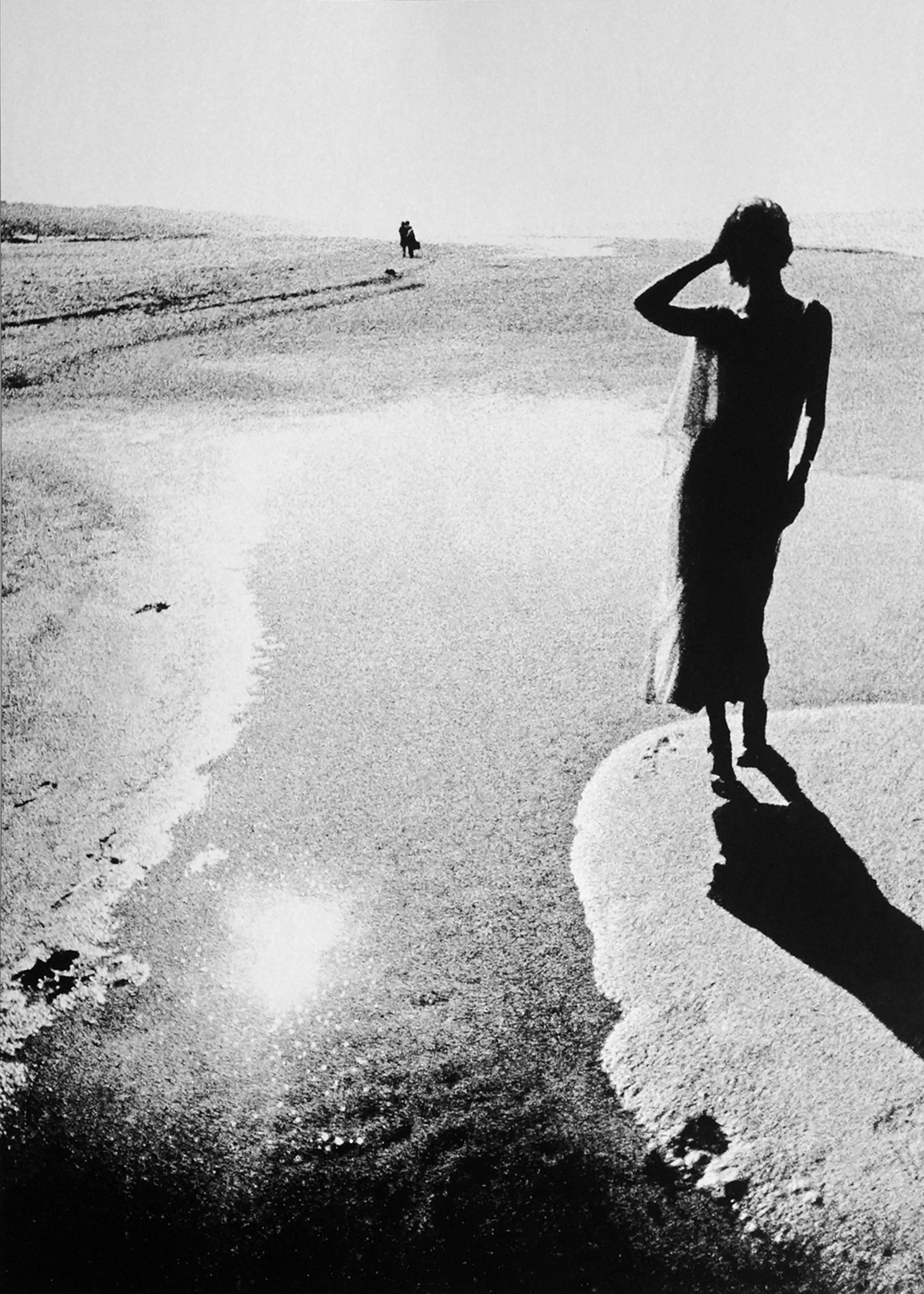
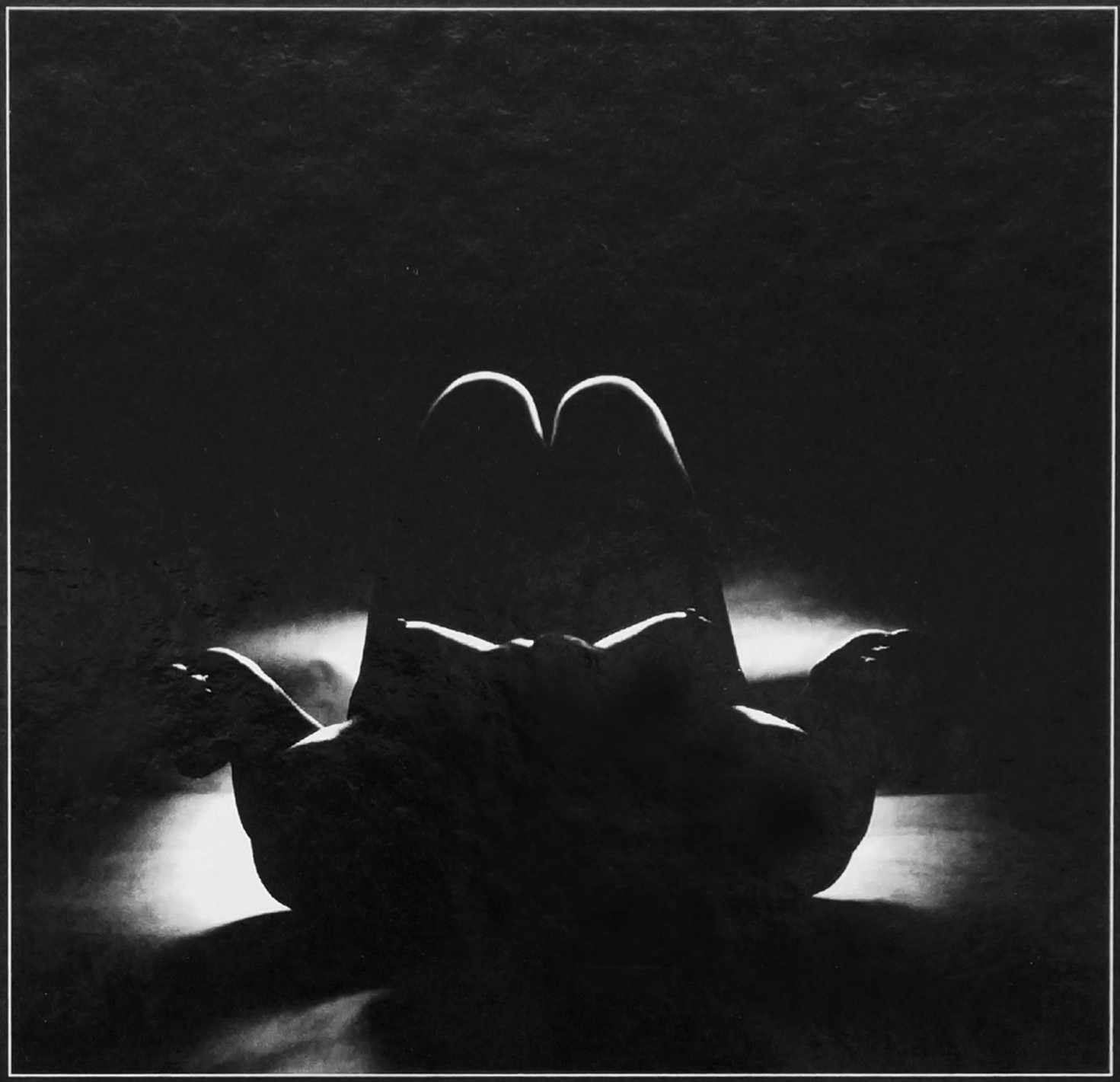
Silhouette
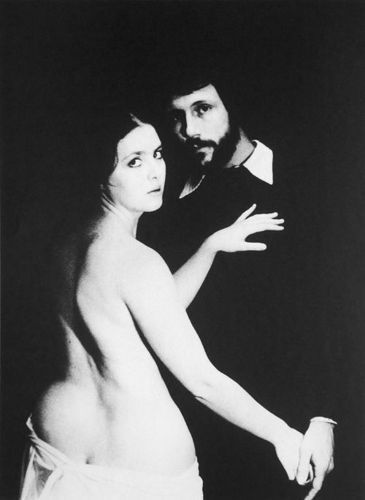
Nude, 1979
Mermaid, 1977
Alone with Nature. 1977
Glory to the Sun! 1970
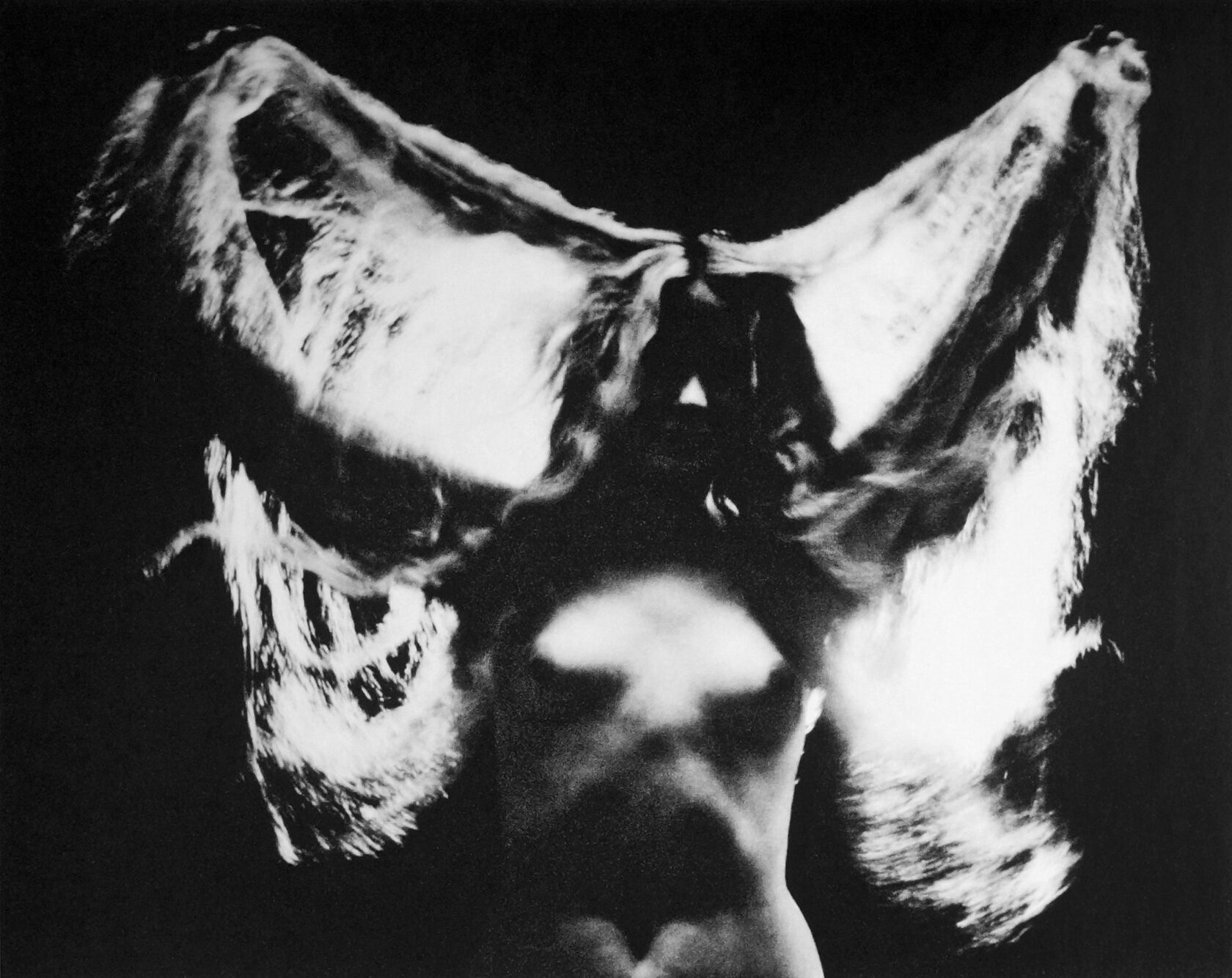
V. Ageyev, "Soviet Photo", No. 1, 1994
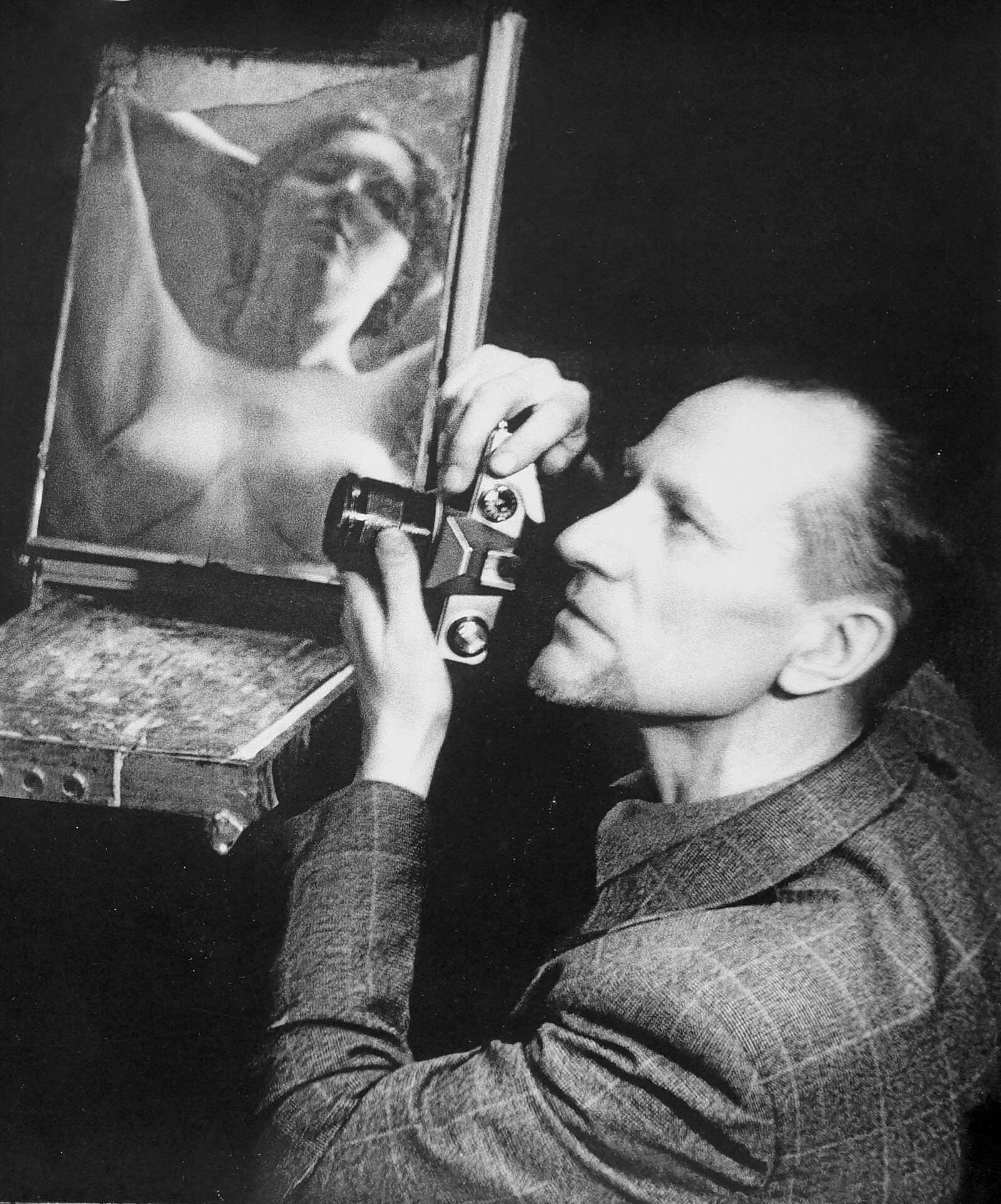
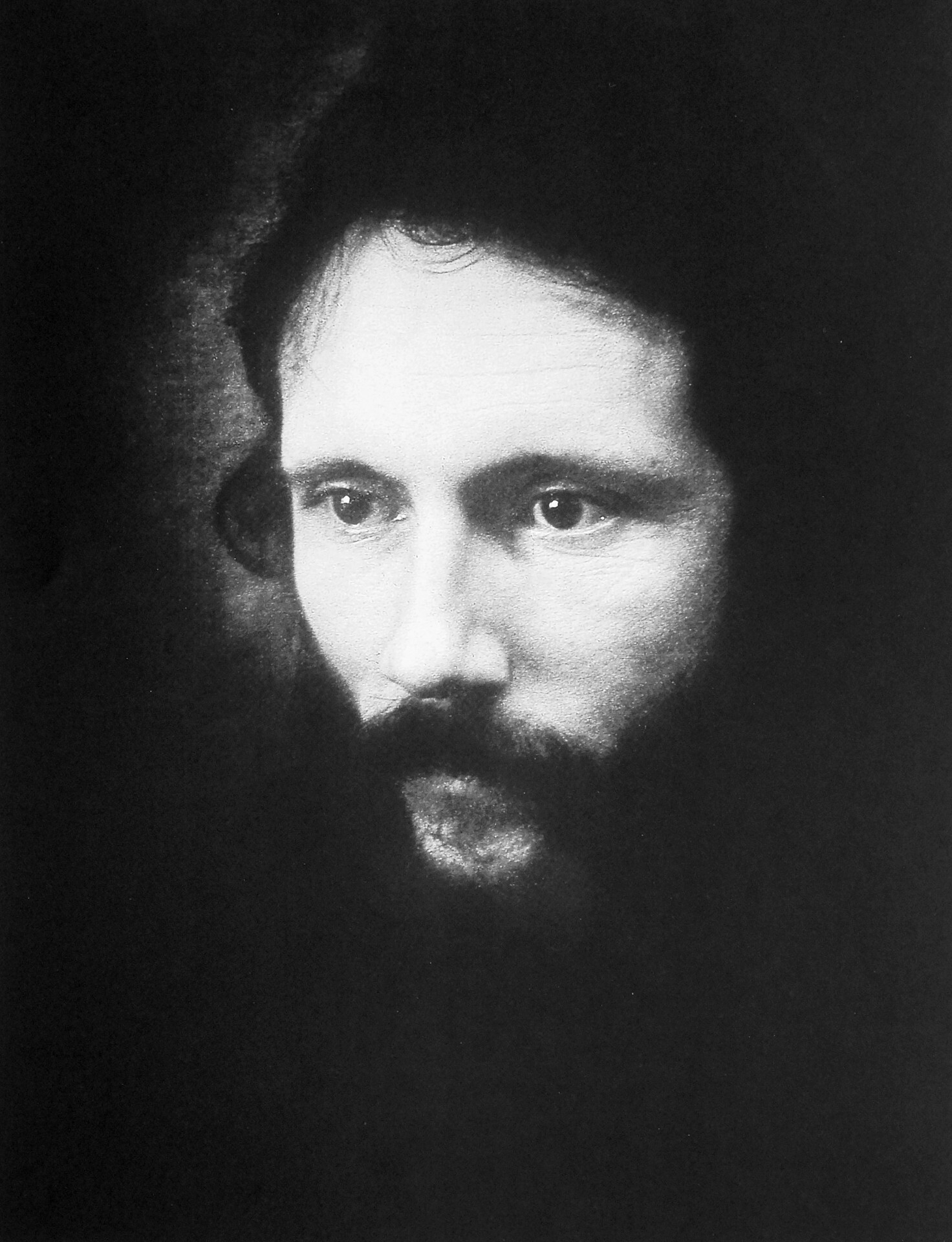
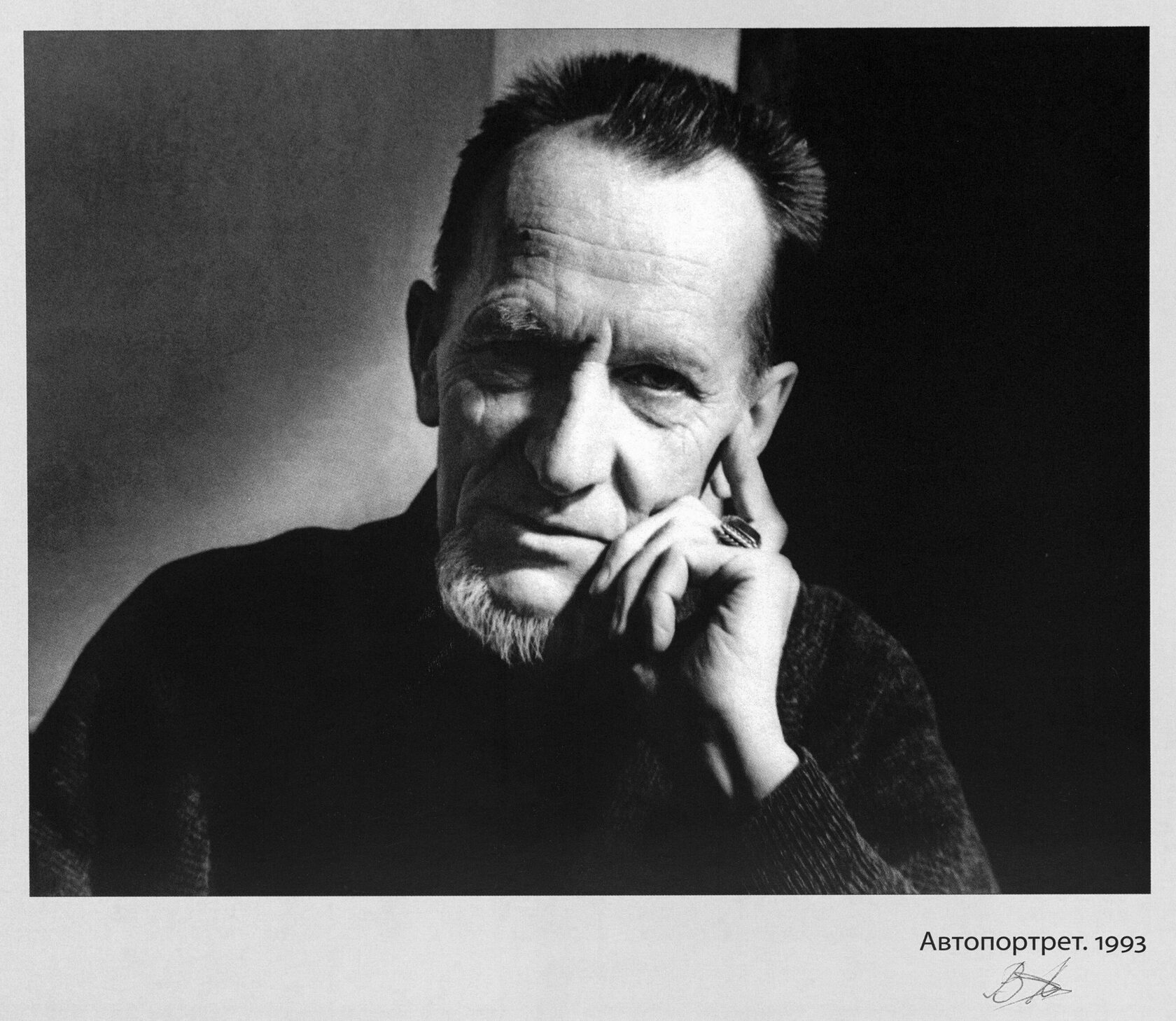
Self-Portrait
Nude
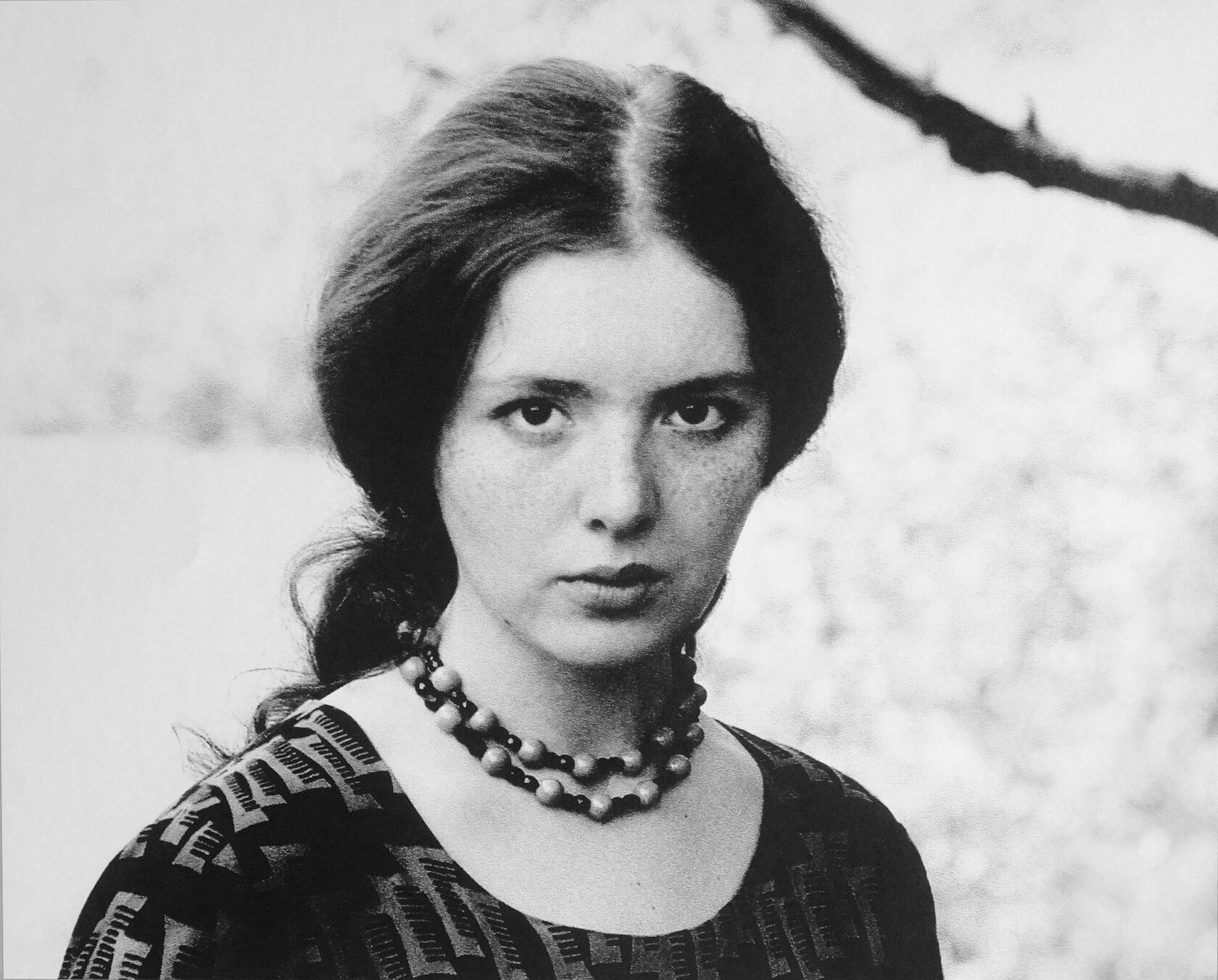
"In the late 1930s, during the years of the repressions, a young Muscovite woman and her husband—exiled from the capital to the remote wilderness of Meshchera—lived with us in our apartment. Several paintings hung in their room. One of them depicted Stenka Razin with a Persian princess of striking beauty. One day, quite by accident, I glimpsed our tenant just after her bath, half-draped, framed by magnificent long, reddish-gold hair—and I gasped. She was the very woman portrayed beside Razin in that painting…"
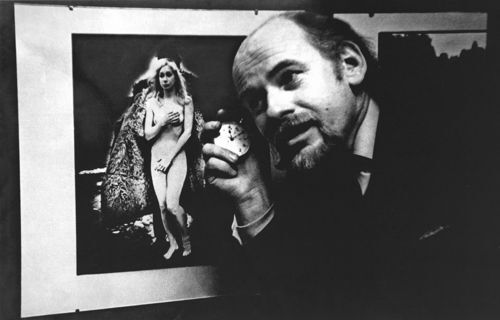
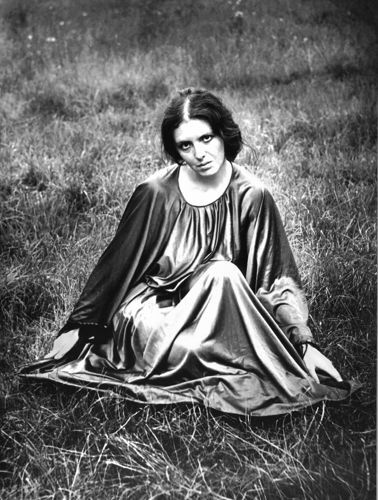
Гунар Бинде (Рига)
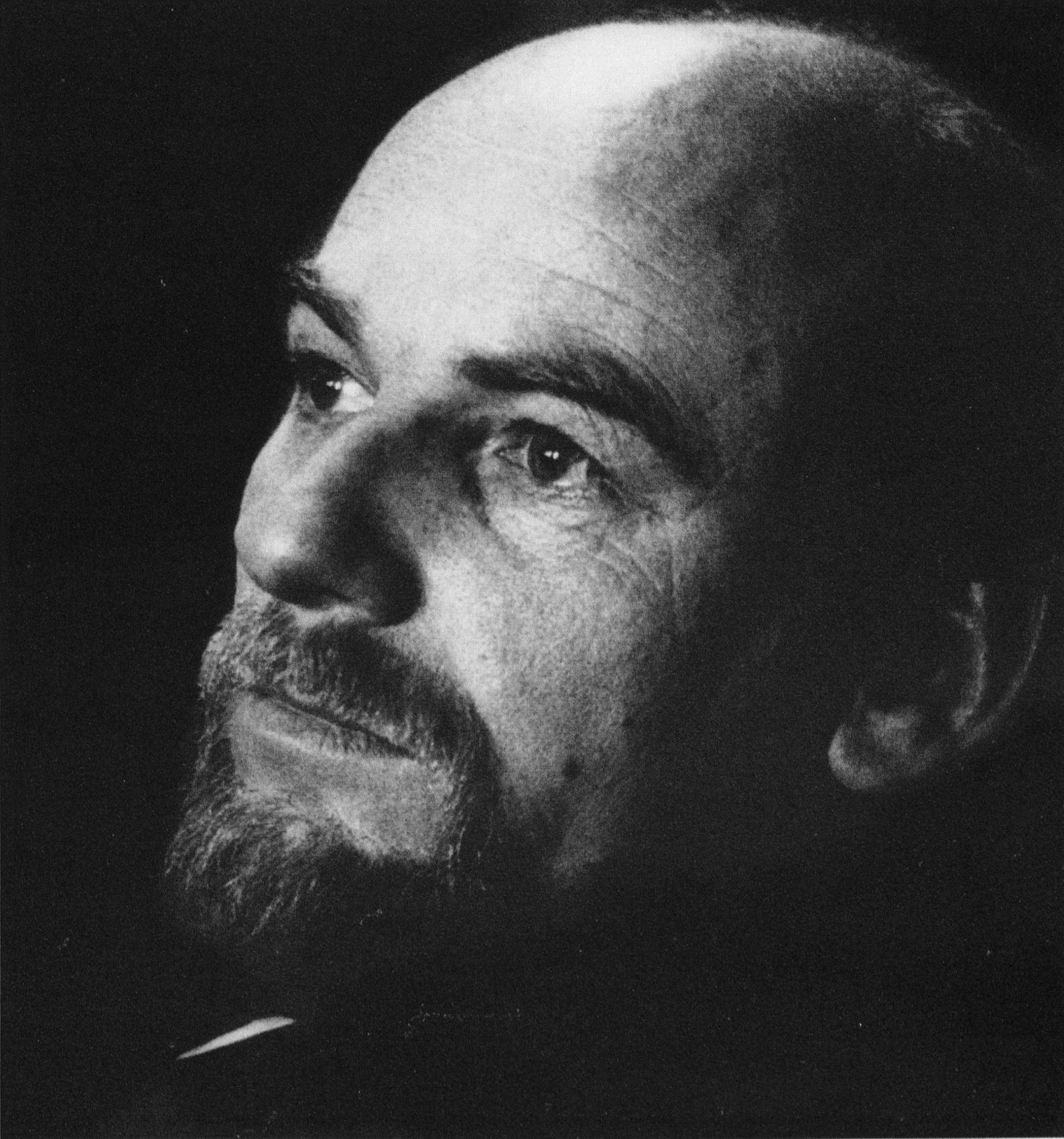
"Living a Life Is No Simple Walk Across a Field". 1970
Portrait of the artist V. Dubov, 1971
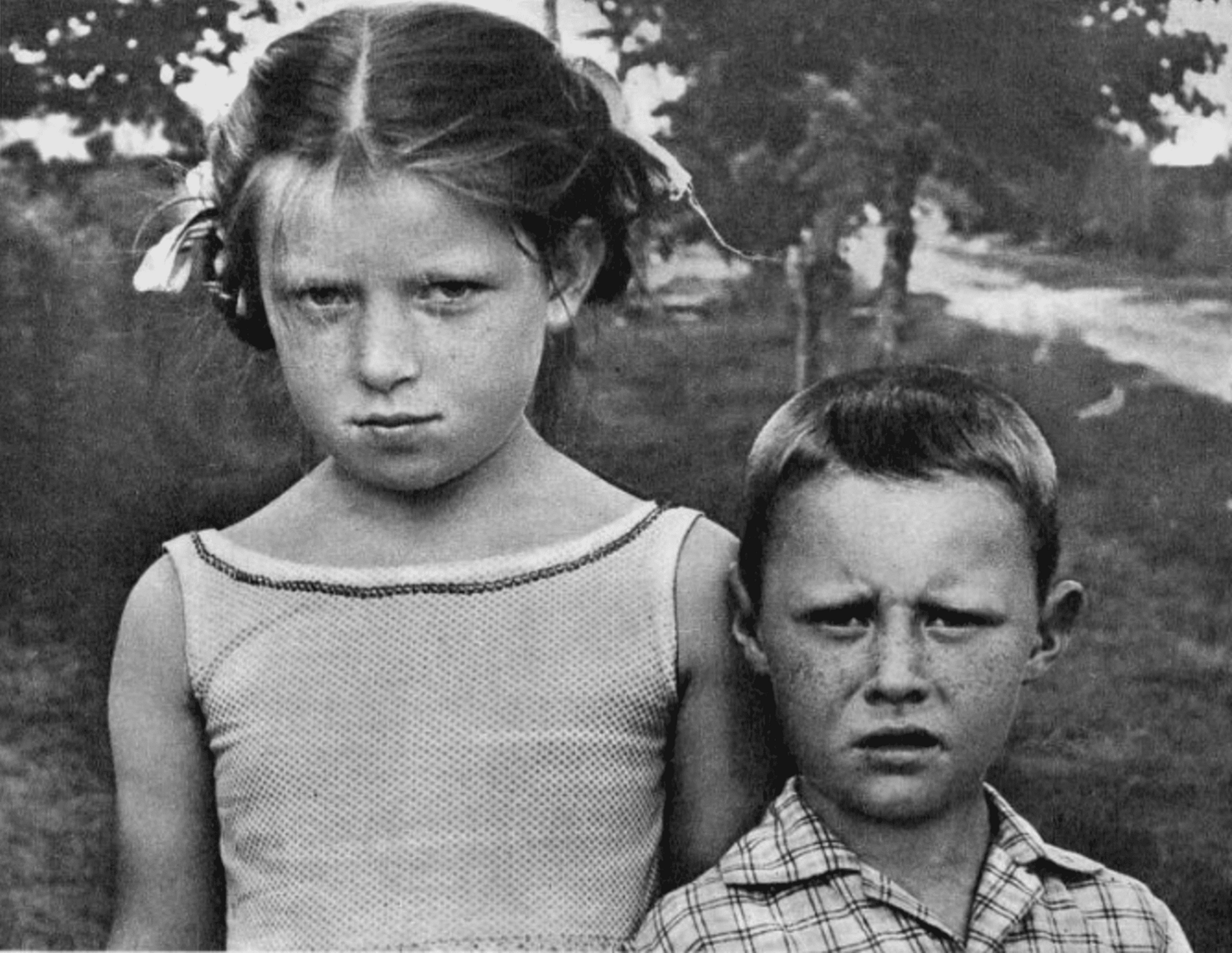
Village Children
Ecstasy, 1975
Farewell, 1975
Gunārs Binde, 1970
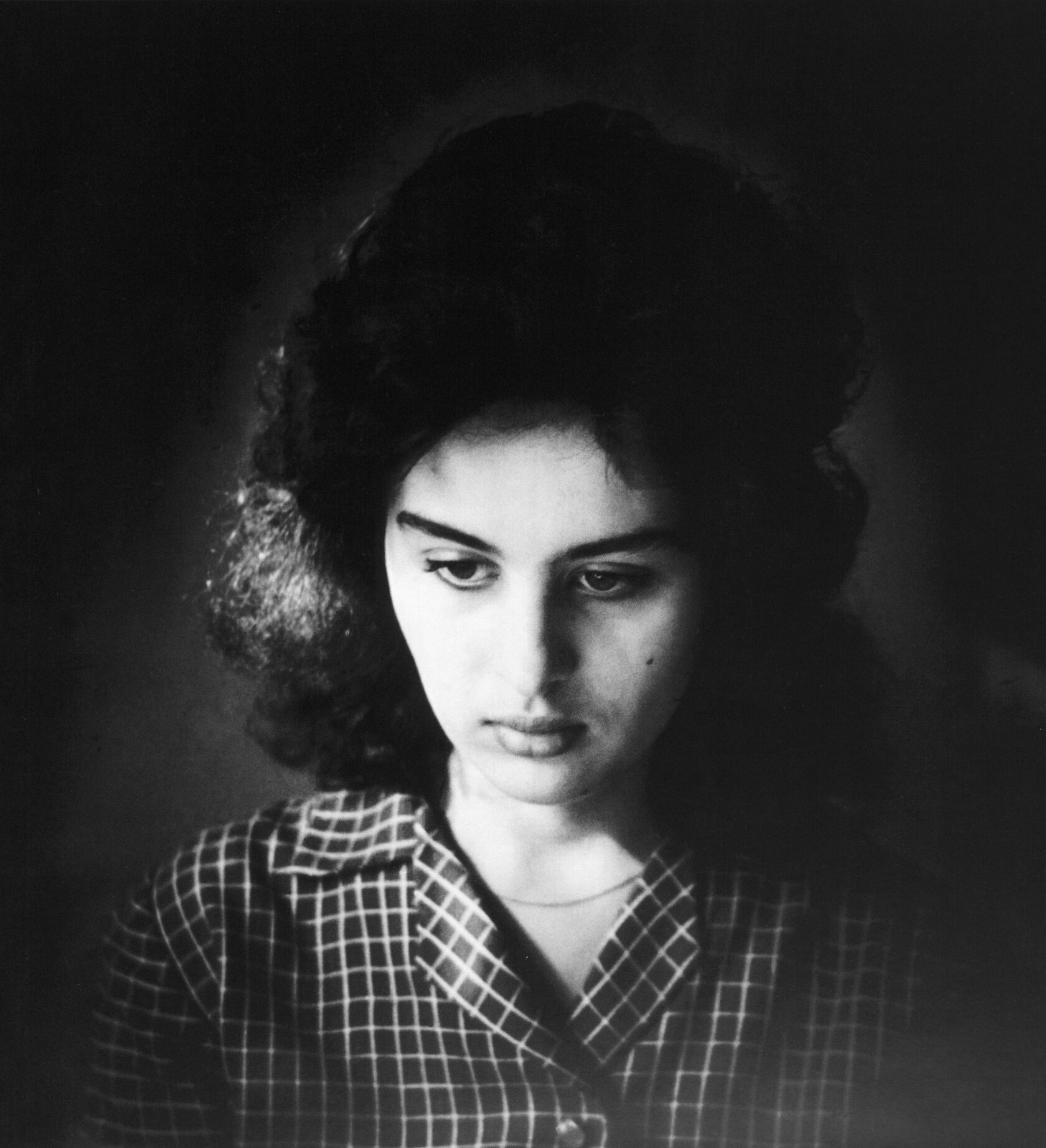
“Shaghaneh, My Shaghaneh!..” 1965
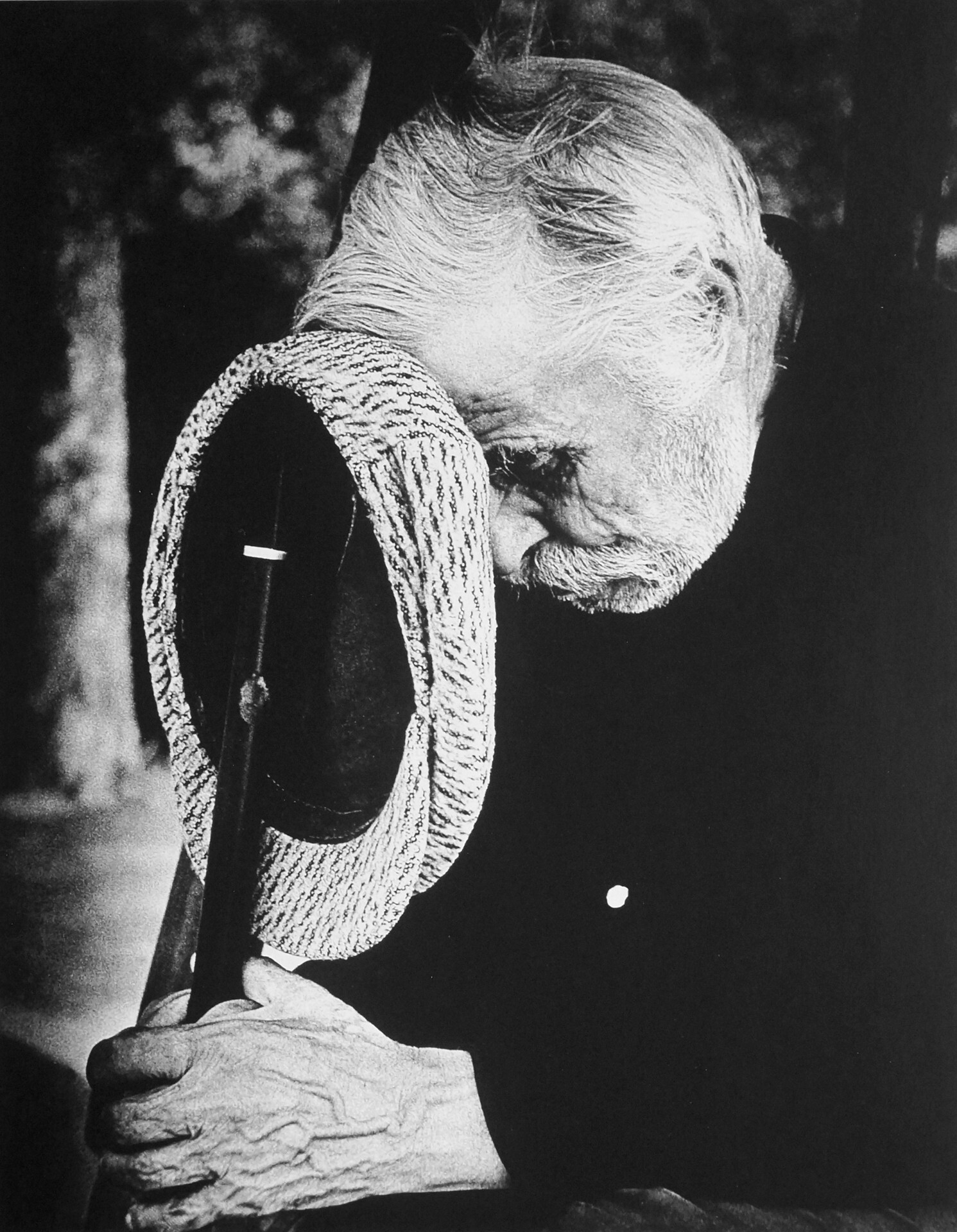
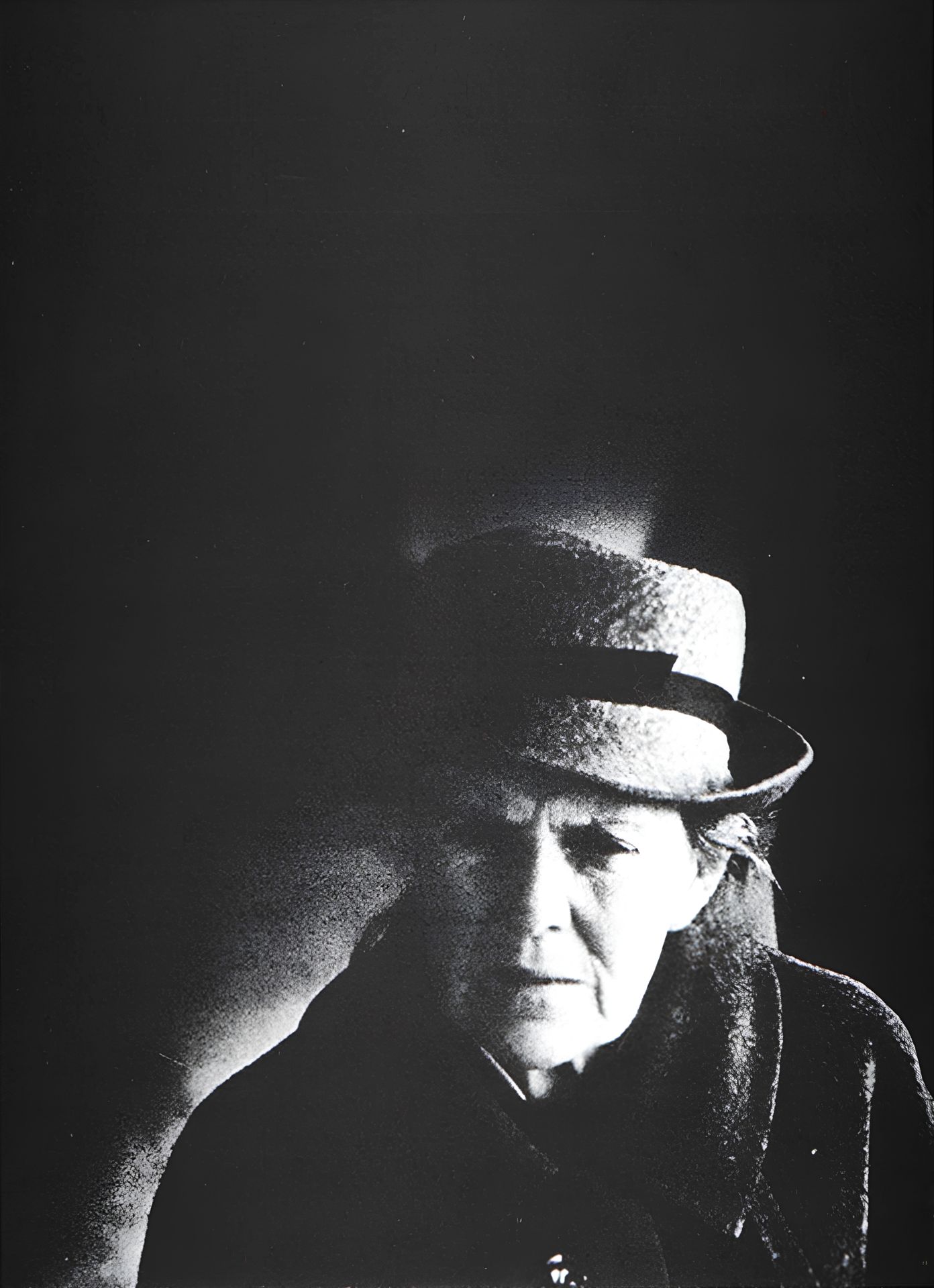
The Old Schoolteacher, 1966
Автопортрет, альбом Избранное
V. Ageyev, "Soviet Photo", No. 1, 1994
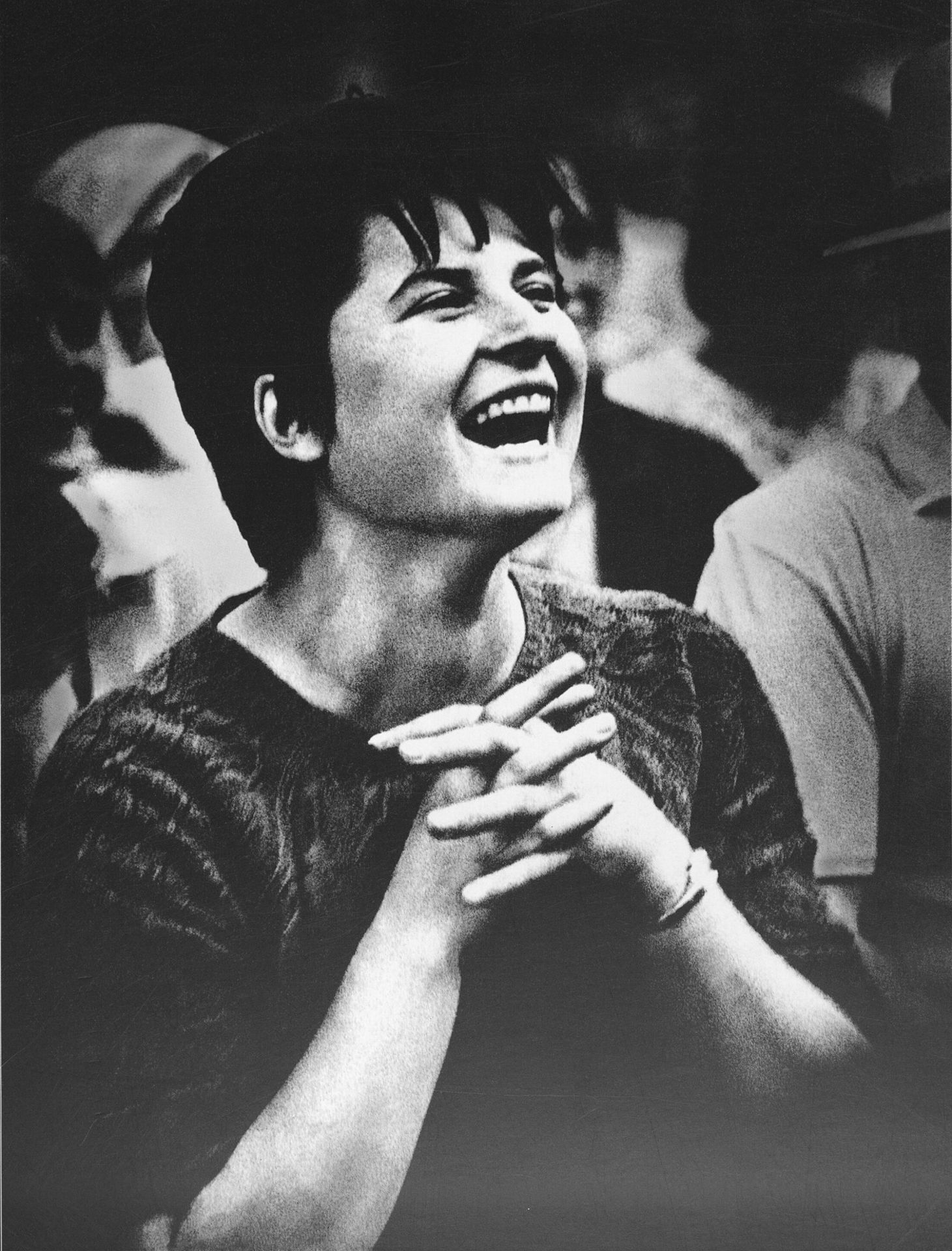
"What could be more beautiful than a woman’s face, hands, or figure? I was struck by the beauty of my schoolteachers' faces, by the gentle charm, kindness, and warm smiles of many women in the small Ryazan town of Tuma. And especially unforgettable was my grandmother—the mother of Grisha Panfilov, Yesenin’s childhood friend—whose face radiated such grace, warmth, and delicate refinement. These, I suppose, are the roots of my enduring passion for photographic portraiture."
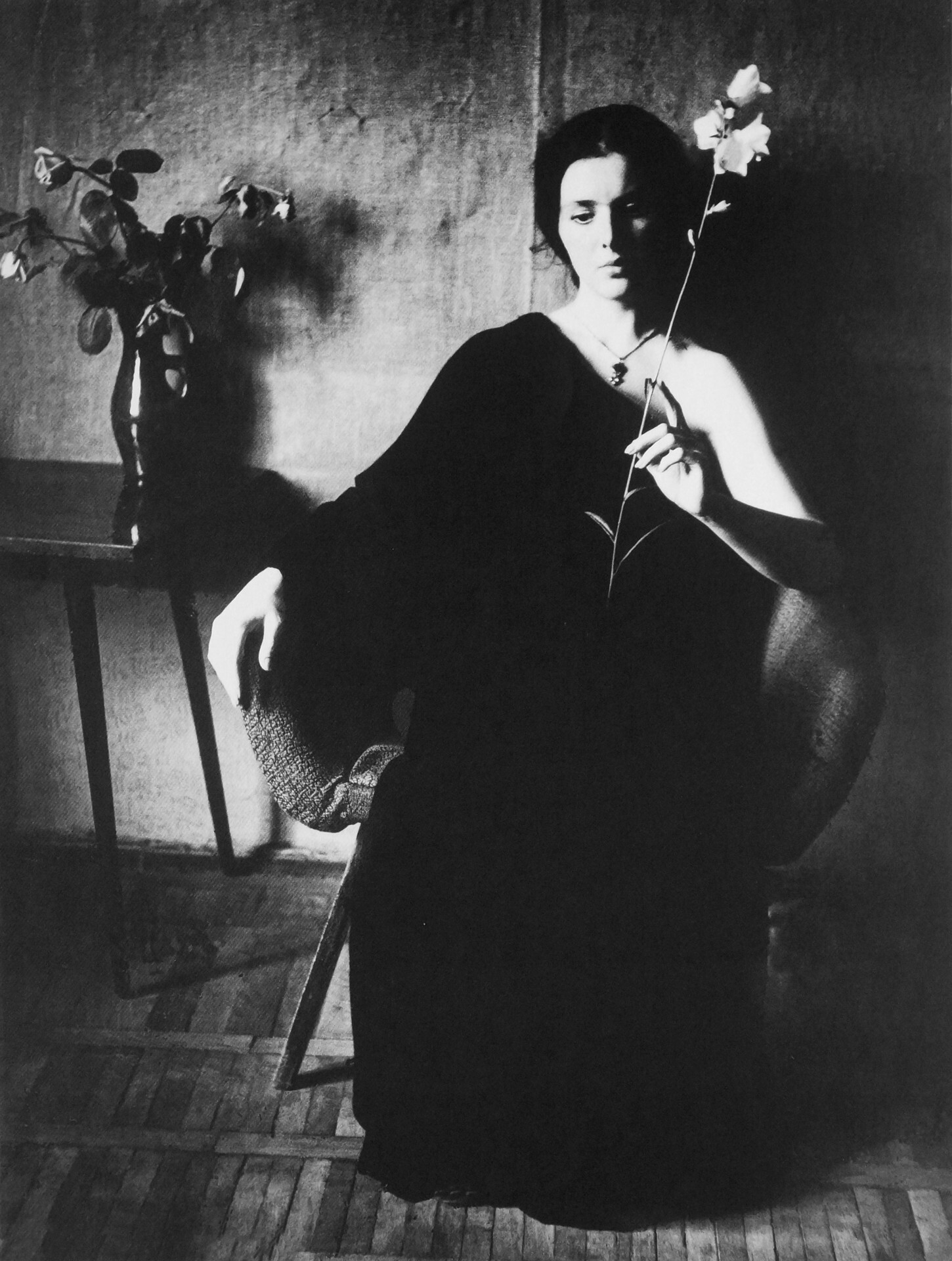
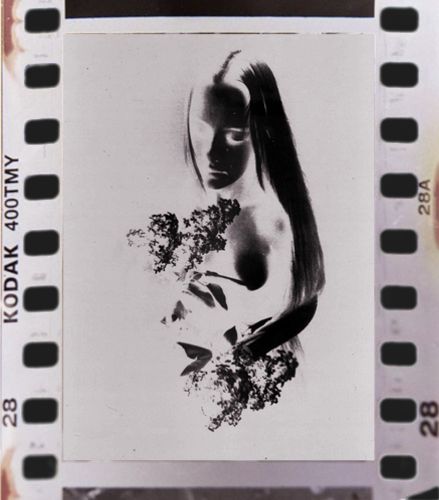
White Flower, 1978
Портрет
Yevgeny Kashirin (Ryazan)
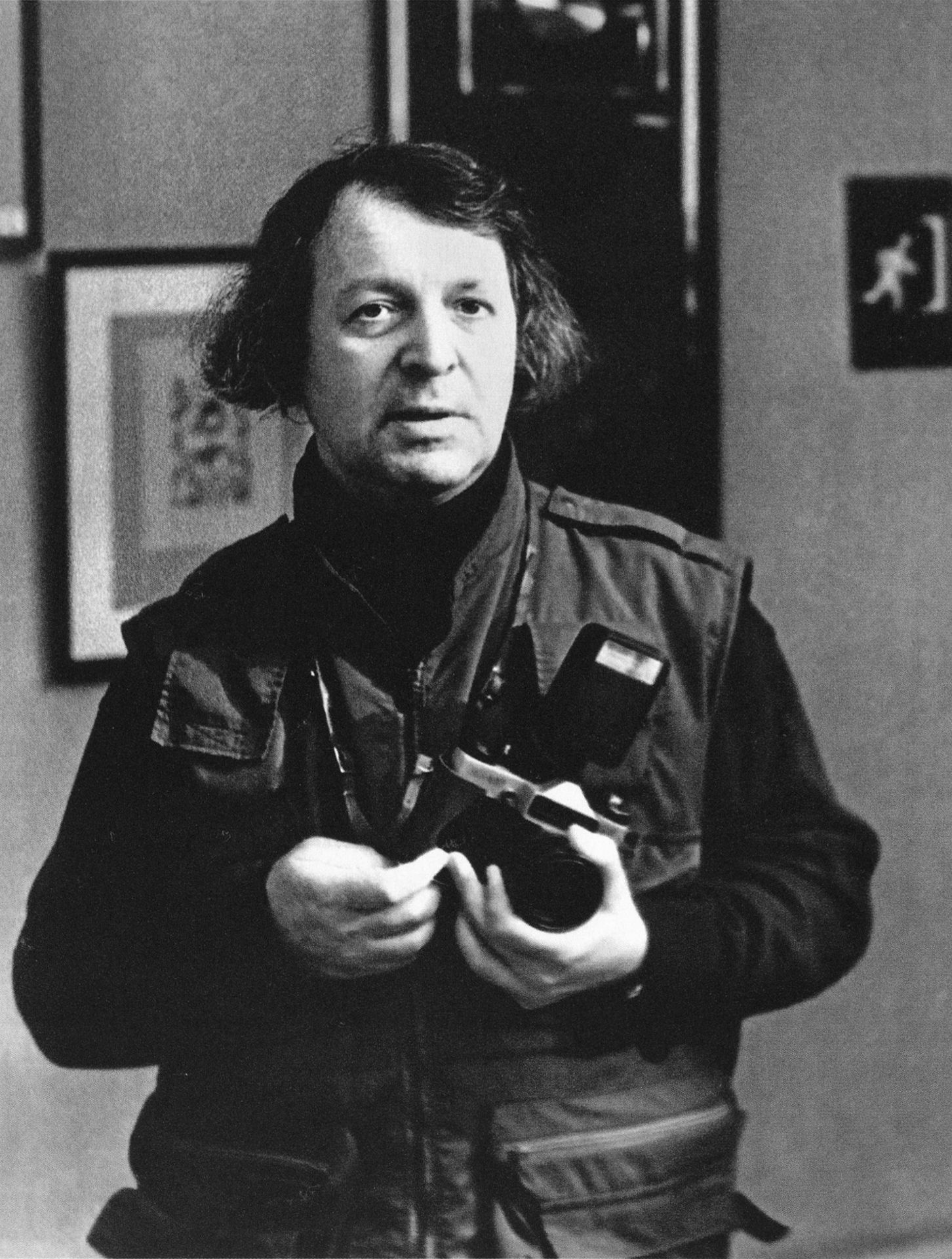
Vladislav Borozdin (Perm)
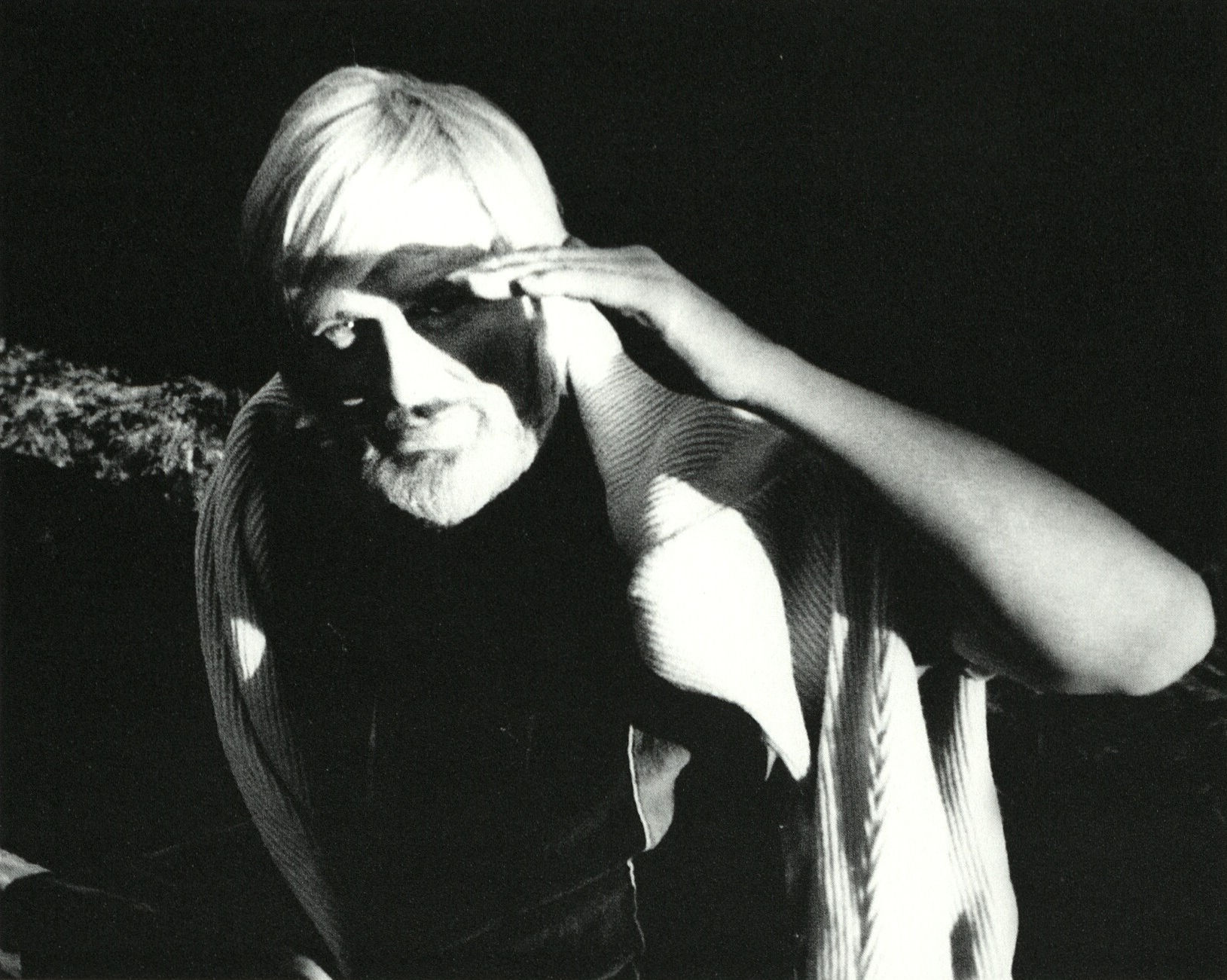
Jānis Gleizds (Riga)
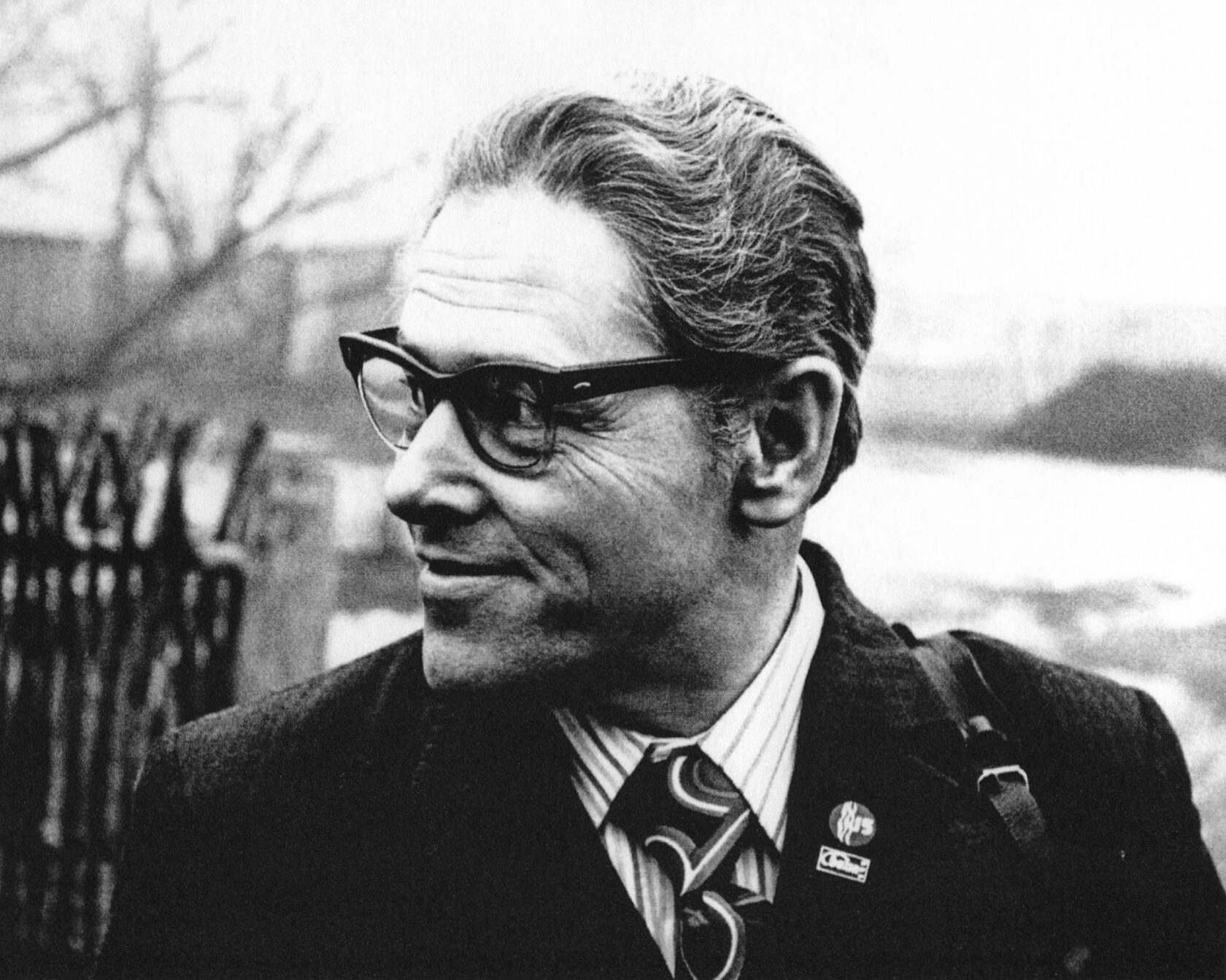
Lyudmila Ivanova (St. Petersburg)
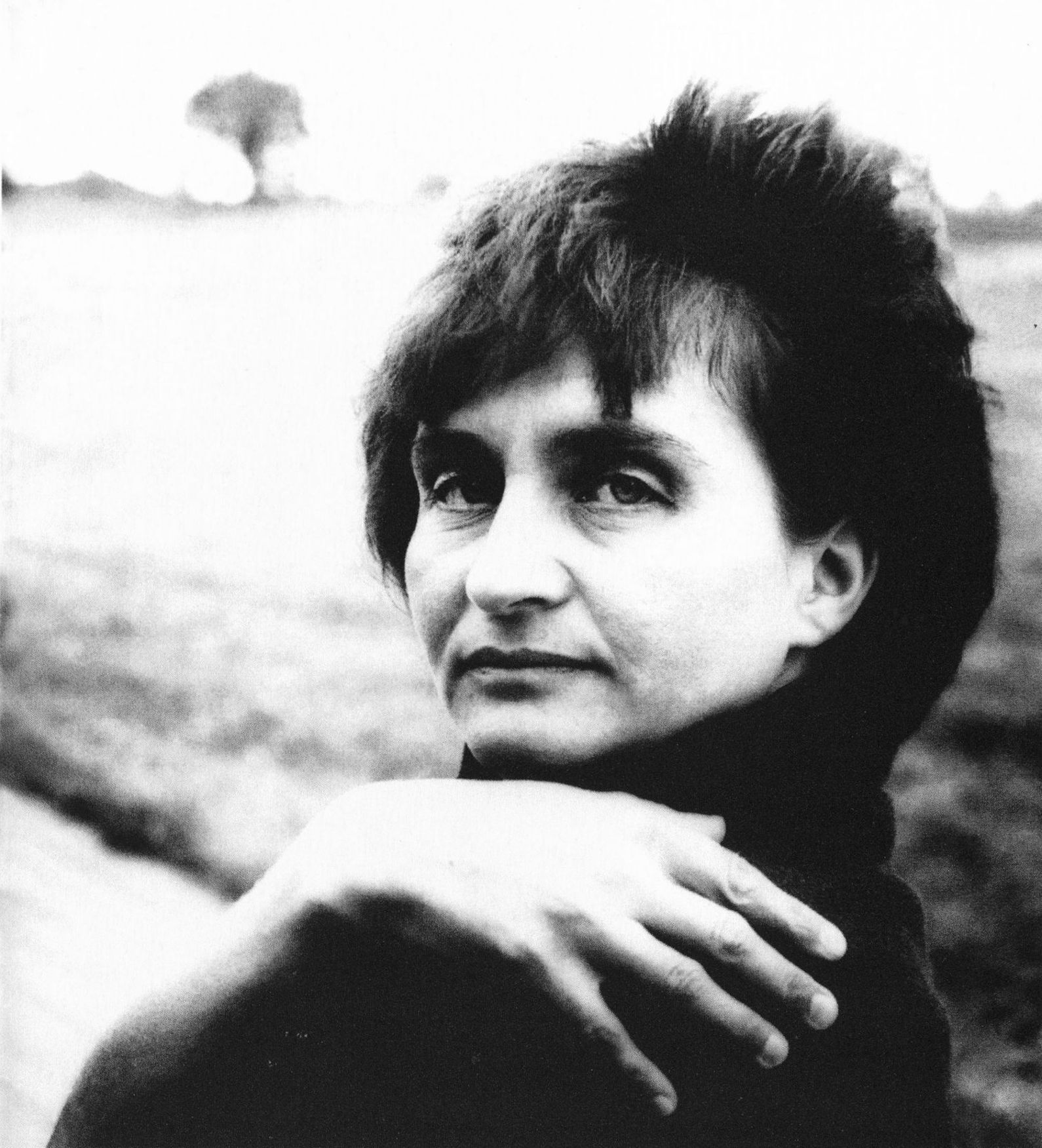
Georgy Kolosov (Moscow)
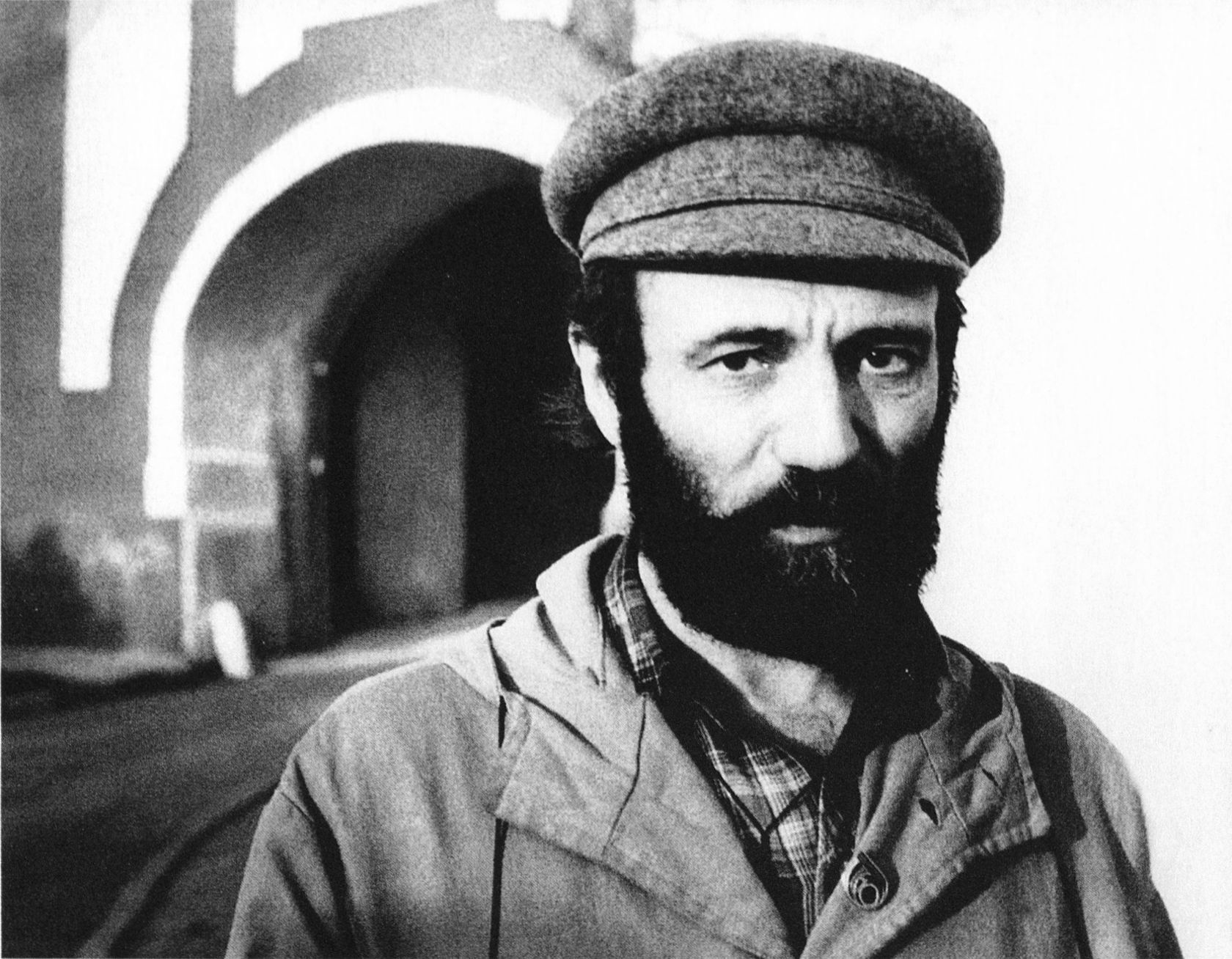
Sergey Vasiliev (Chelyabinsk)
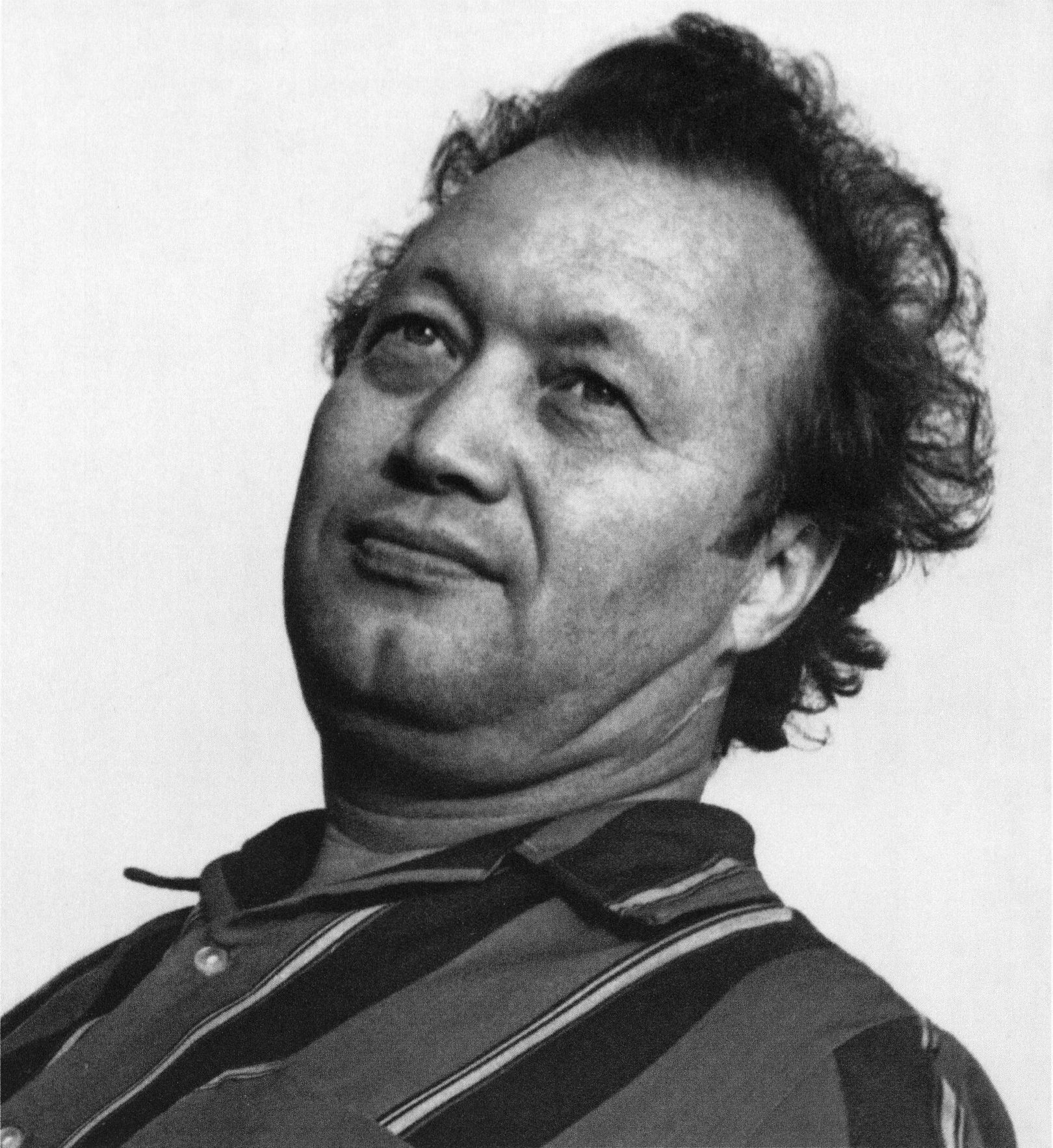
Sergey Osmachkin (Samara)
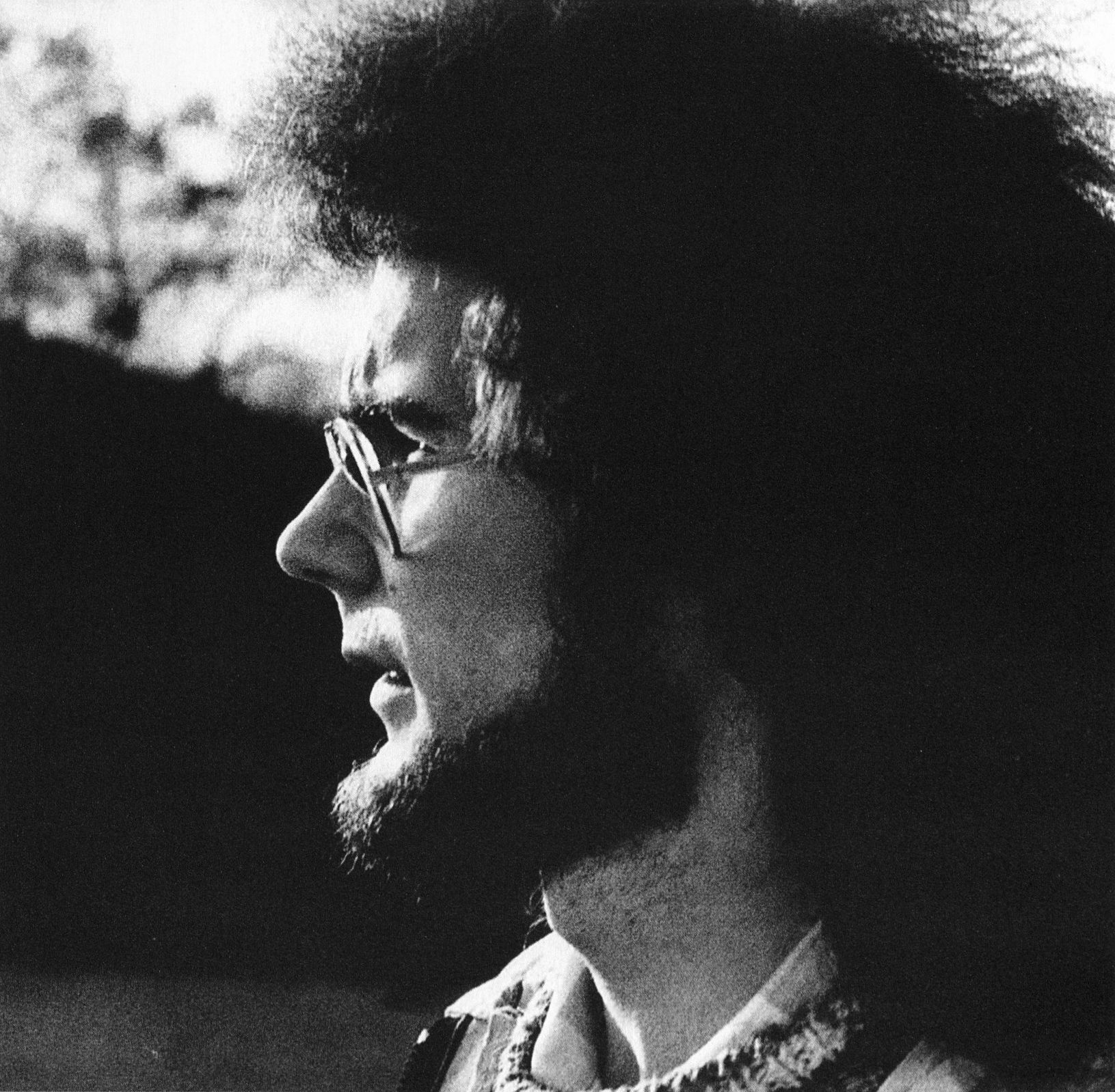
Stanislav Yavorsky (Nizhny Novgorod)
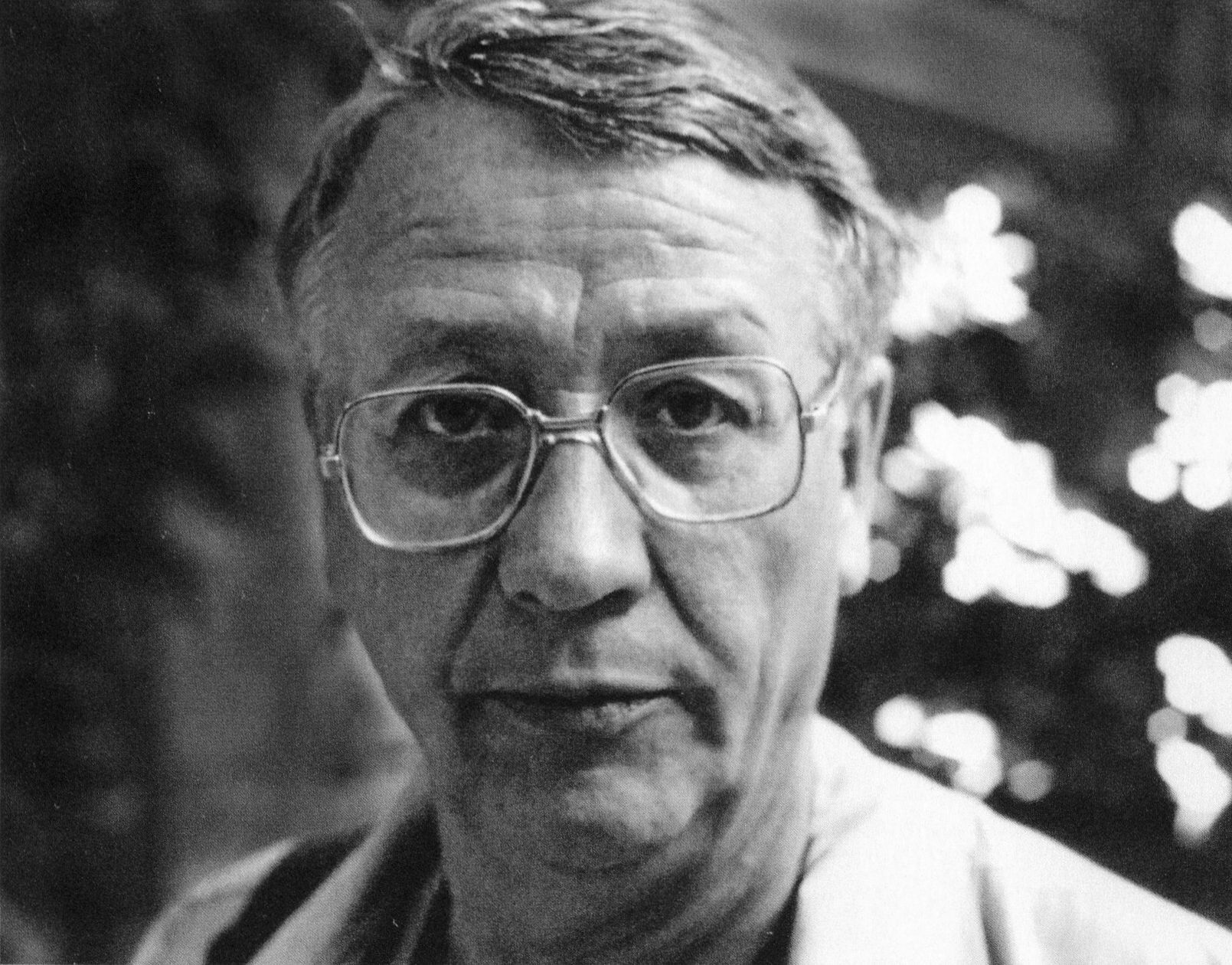
Andrey Baskakov (Moscow)
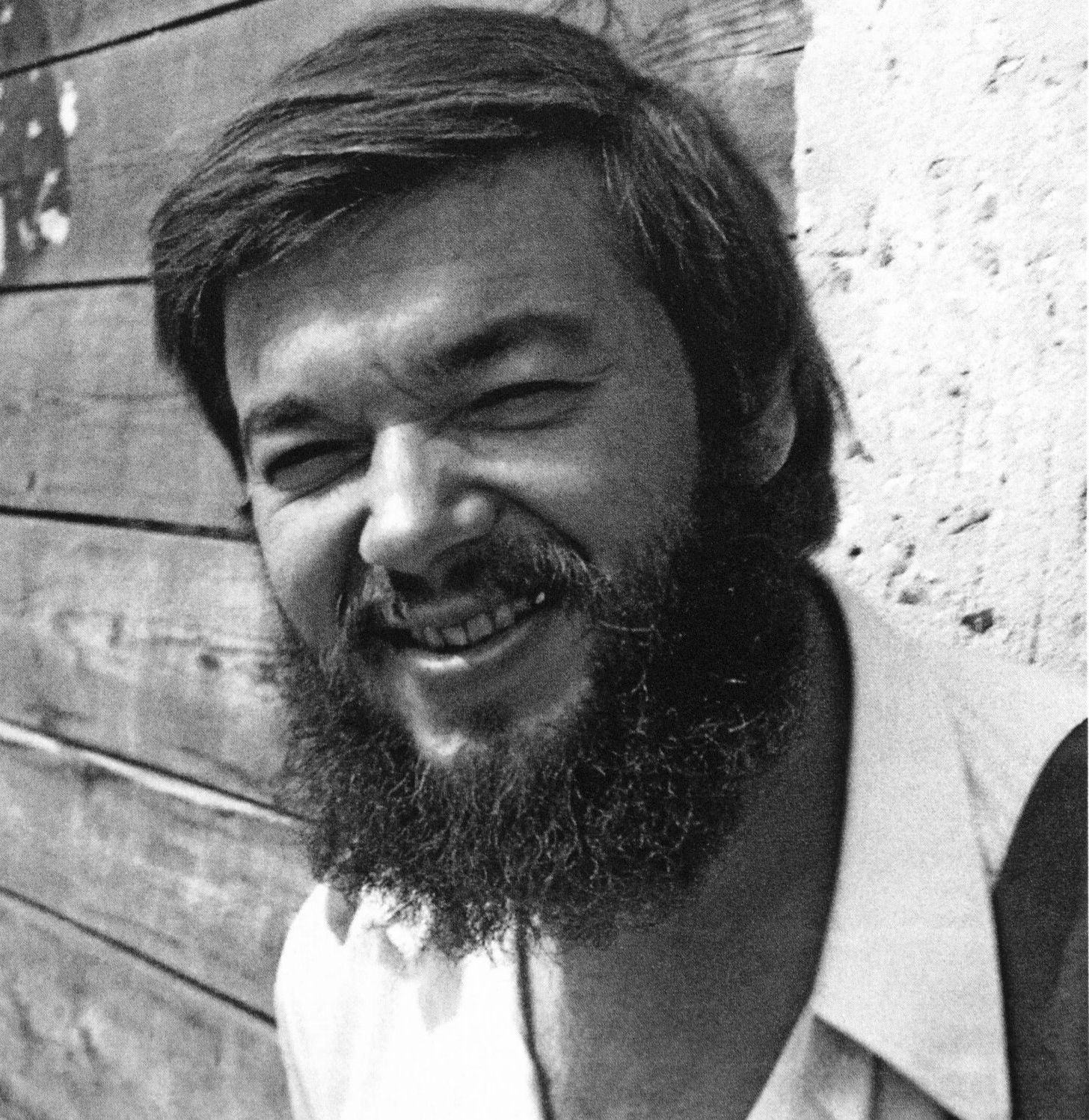
Anatoly Cherey (Yekaterinburg)
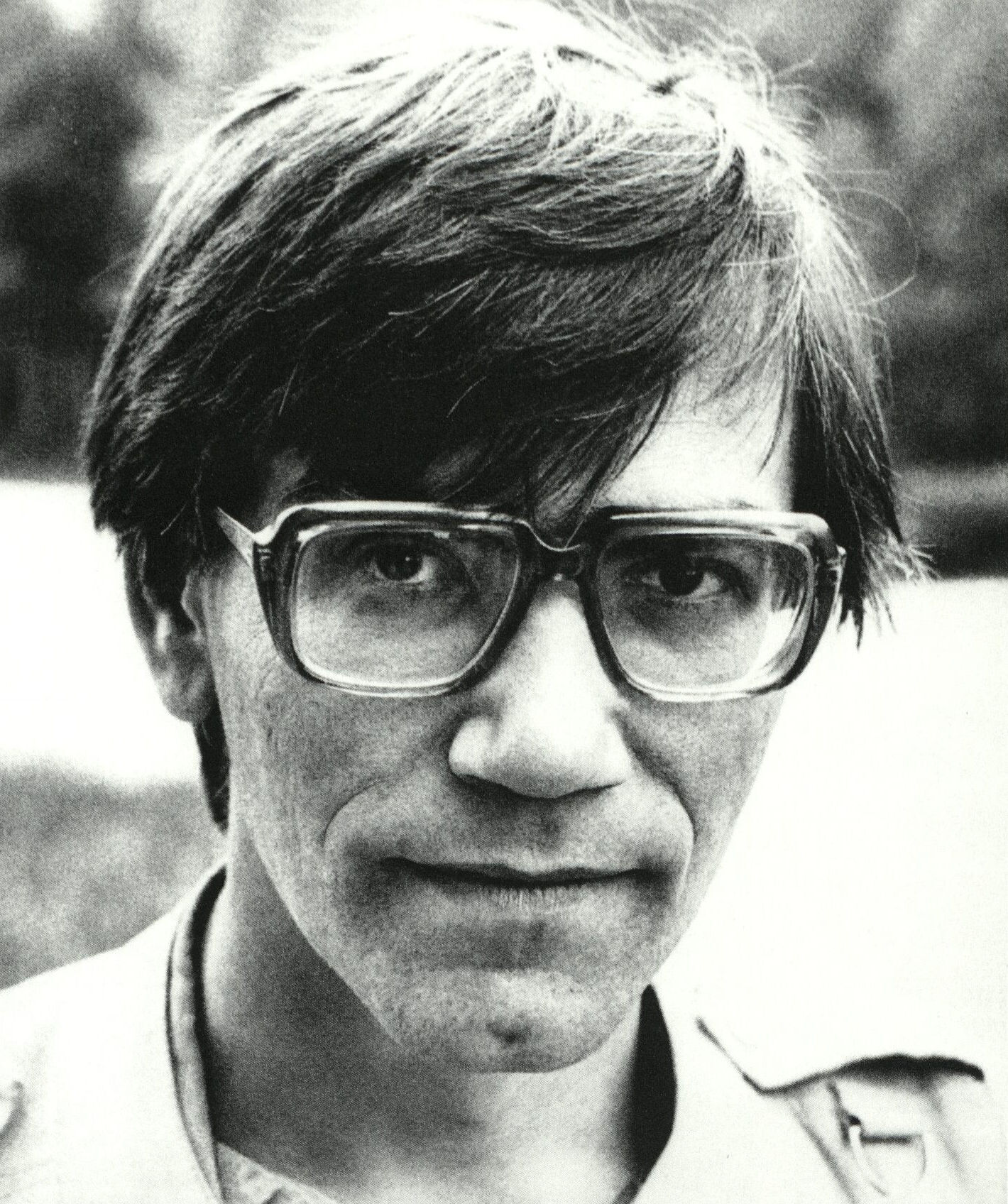
Sergei Donin (Vologda)
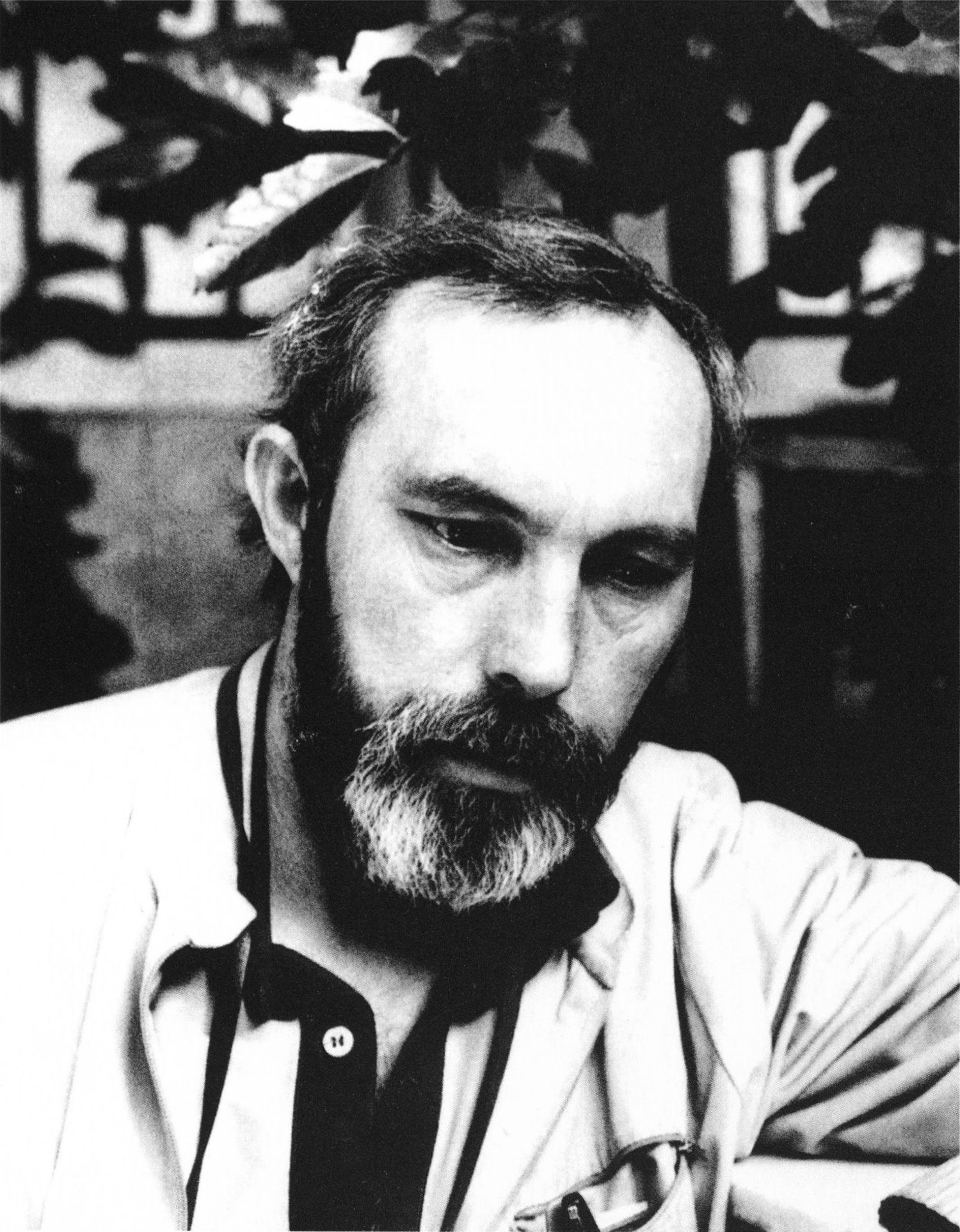
Viktor Ivanovich cherished his friendships with outstanding photographers, tirelessly fostering a spirit of camaraderie among gifted colleagues. To them, he was a true leader—united by a rare blend of artistic talent, tireless energy, unwavering exactingness toward his own work, and, above all, wholehearted devotion to his calling.
All portraits are by Viktor Ivanovich Ageyev.
All portraits are by Viktor Ivanovich Ageyev.
Friends
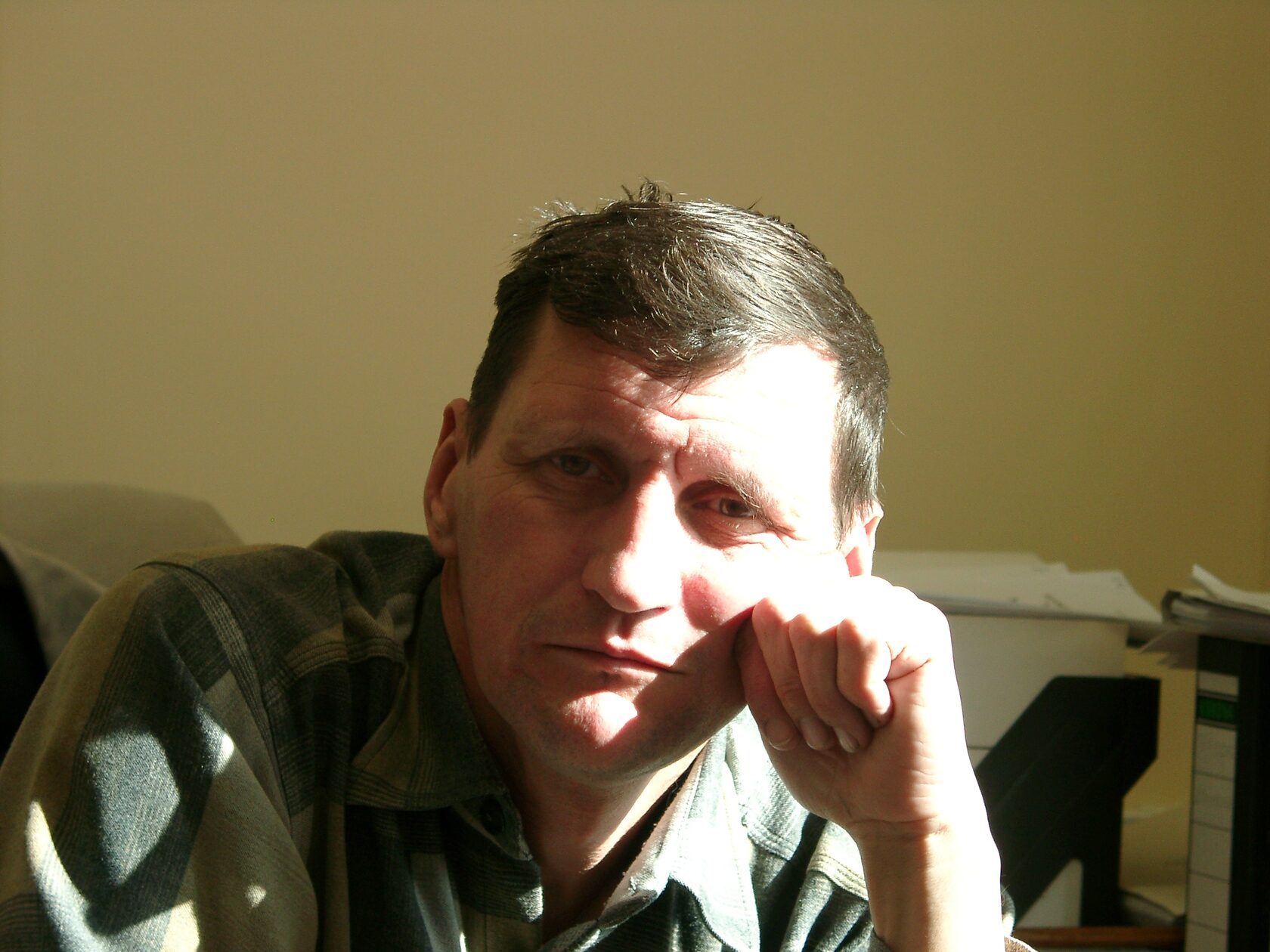
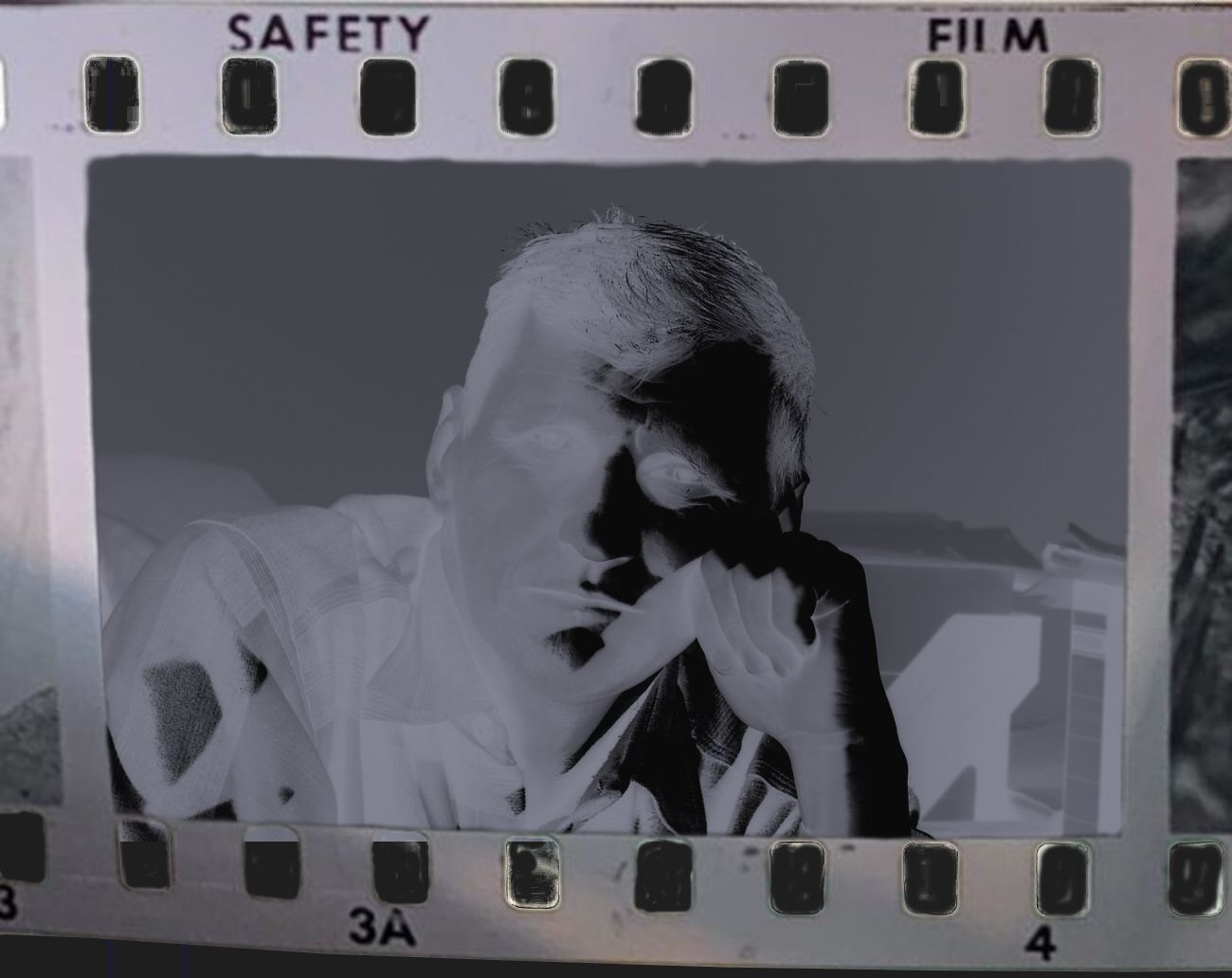
Many photographers from Ryazan—and beyond—consider Viktor Ivanovich their Teacher, with a capital 'T'. At studio meetings, he often said that seeing true beauty is difficult. It is the work of the soul. It is hard. “You may choose not to see it,” he would tell us, “and life will be easier that way—but those who see, see more.” Something like that… The exact words have faded with time, but their essence remains alive.
It is precisely this spirit that I hoped to embed at the heart of this website.
From the bottom of my heart, I thank everyone who contributed materials to this project. My deep gratitude goes to those who helped locate Viktor Ivanovich’s friends and colleagues, and especially to those who generously shared their priceless photographs and memories.
And, of course, your opinion matters deeply to me. Please feel free to send your feedback, point out errors, or simply share your thoughts and impressions. I know this site will raise questions—and that it won’t appeal to everyone. But until now, there was nothing at all. If you can do it better—or help me make it better—please do.
Thank you!
It is precisely this spirit that I hoped to embed at the heart of this website.
From the bottom of my heart, I thank everyone who contributed materials to this project. My deep gratitude goes to those who helped locate Viktor Ivanovich’s friends and colleagues, and especially to those who generously shared their priceless photographs and memories.
And, of course, your opinion matters deeply to me. Please feel free to send your feedback, point out errors, or simply share your thoughts and impressions. I know this site will raise questions—and that it won’t appeal to everyone. But until now, there was nothing at all. If you can do it better—or help me make it better—please do.
Thank you!
I would especially like to express my deepest gratitude to Irina Nikolaevna Sergeeva (Leontieva) for her invaluable assistance in selecting photographic materials and texts, as well as for her thoughtful and constructive criticism.
A gifted photographic artist, an experienced organizer, a photography collector, a tireless advocate, and an ardent promoter of photographic art. Laureate of the 1st All-Union Festival of Folk Art (1977). Founder and, for 20 years, the permanent leader of the "Meshchera" photo studio, the first in Russia to be awarded the honorary title "People's Photo Collective" (1975).
Organizer of eight major inter-club exhibitions "Peace. Labor. Youth" and "Photo-Meshchera" (1969 – 1984), which featured photo associations from 11 Soviet republics. Organizer and curator of the all-Union inter-club touring exchange "Photo Orbit" (1975 – 1993).
Participant in over 180 photo exhibitions at various levels: city, regional, inter-club, all-Russian, all-Union, and international (Argentina, Brazil, Hong Kong, GDR, Mexico, Poland, Romania, France, Yugoslavia, Japan), as well as over 40 personal exhibitions in 30 cities across Russia, Belarus, Latvia, Lithuania, Kazakhstan, and Ukraine. Over 30 years, he amassed a collection of over 500 works by Soviet photographers of international caliber.
One of the initiators of the creation of the Union of Photo Artists of Russia (SFAR) and an organizer of its founding congress (1990), where he was elected Deputy Chairman of the Artistic Council. Honorary Member of the Union of Photo Artists of Russia since 2002. For a number of years, he served as Chairman of the Ryazan branch of the SFAR.
In 2008, he was awarded the honorary badge "For Merit to the City of Ryazan." In 2011, he was granted the title "Honored Worker of Culture of the Russian Federation."
In 2002, his author's photo album "Selected Works" was published in Ryazan. 15 classic works by the master open the collective album "9 Photo Artists of Ryazan" (2007). In 2015, an album of his selected works in the nude genre was published. The Ryazan branch of the SFAR assisted in preparing and publishing four photo calendars (for 2010, 2012, 2015, and 2016) featuring his works.
His works have been published in regional and central newspapers and magazines: "Soviet Photo" and "Photography," "Student Meridian," "Club and Amateur Arts," "Young Communist," "PhotoArt" (Czech Republic), "Nemunas" (Lithuania), "Culture and Life" (Estonia), "Photo. Siberian Success," "Patron and the World," and "Leader" (Ryazan); in the photo albums "Photo Art of Russia" (Moscow, 1990) and "Elegy" (Moscow, 1992); in literary collections "The Ryazan Region" and "The Book of Love" (Ryazan, 2003); and in exhibition catalogs.
Organizer of eight major inter-club exhibitions "Peace. Labor. Youth" and "Photo-Meshchera" (1969 – 1984), which featured photo associations from 11 Soviet republics. Organizer and curator of the all-Union inter-club touring exchange "Photo Orbit" (1975 – 1993).
Participant in over 180 photo exhibitions at various levels: city, regional, inter-club, all-Russian, all-Union, and international (Argentina, Brazil, Hong Kong, GDR, Mexico, Poland, Romania, France, Yugoslavia, Japan), as well as over 40 personal exhibitions in 30 cities across Russia, Belarus, Latvia, Lithuania, Kazakhstan, and Ukraine. Over 30 years, he amassed a collection of over 500 works by Soviet photographers of international caliber.
One of the initiators of the creation of the Union of Photo Artists of Russia (SFAR) and an organizer of its founding congress (1990), where he was elected Deputy Chairman of the Artistic Council. Honorary Member of the Union of Photo Artists of Russia since 2002. For a number of years, he served as Chairman of the Ryazan branch of the SFAR.
In 2008, he was awarded the honorary badge "For Merit to the City of Ryazan." In 2011, he was granted the title "Honored Worker of Culture of the Russian Federation."
In 2002, his author's photo album "Selected Works" was published in Ryazan. 15 classic works by the master open the collective album "9 Photo Artists of Ryazan" (2007). In 2015, an album of his selected works in the nude genre was published. The Ryazan branch of the SFAR assisted in preparing and publishing four photo calendars (for 2010, 2012, 2015, and 2016) featuring his works.
His works have been published in regional and central newspapers and magazines: "Soviet Photo" and "Photography," "Student Meridian," "Club and Amateur Arts," "Young Communist," "PhotoArt" (Czech Republic), "Nemunas" (Lithuania), "Culture and Life" (Estonia), "Photo. Siberian Success," "Patron and the World," and "Leader" (Ryazan); in the photo albums "Photo Art of Russia" (Moscow, 1990) and "Elegy" (Moscow, 1992); in literary collections "The Ryazan Region" and "The Book of Love" (Ryazan, 2003); and in exhibition catalogs.
Viktor Ivanovich Ageyev
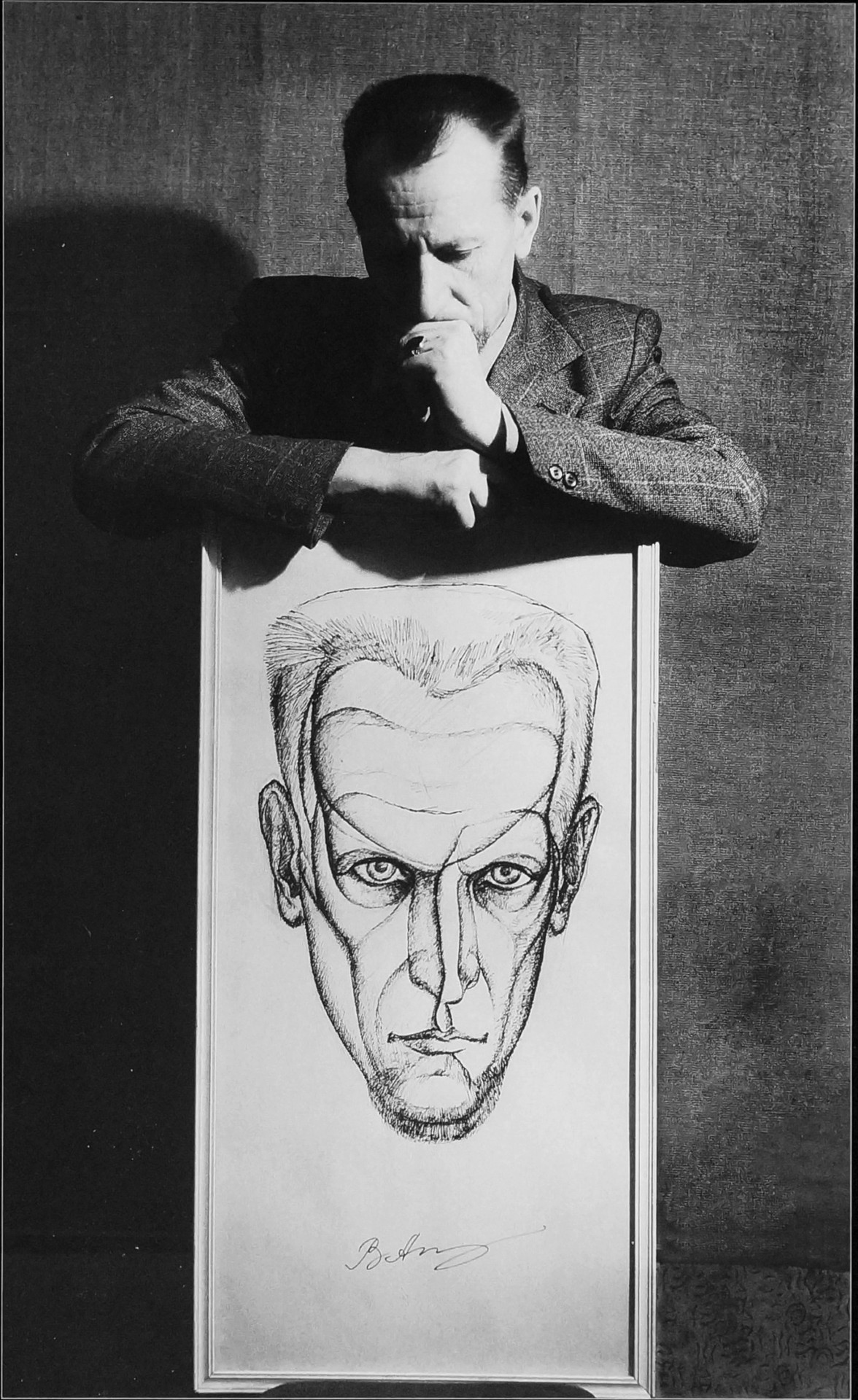
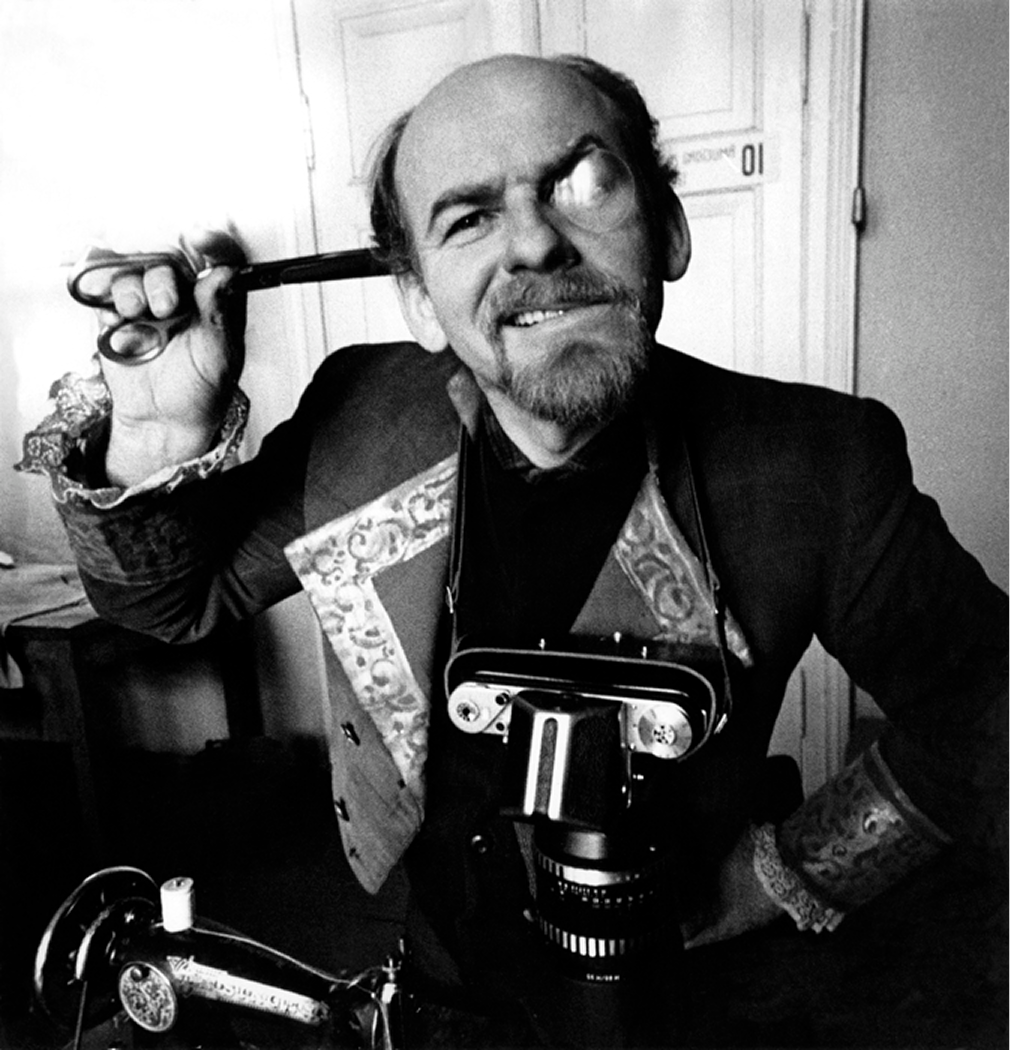
Self-Portrait, 1976
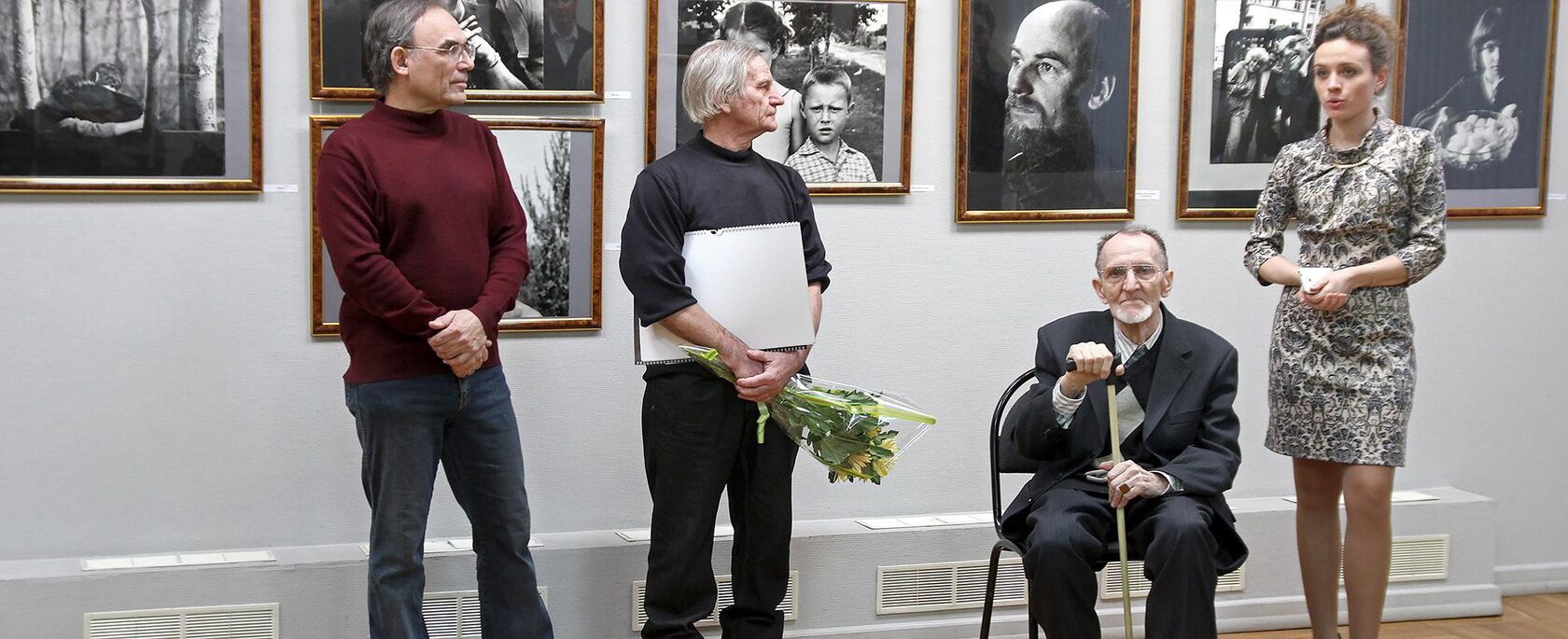
Viktor Ivanovich Ageev at his personal photo exhibition "Meetings". January 29, 2015
Google is connected to the site. A metric that uses cookies. By visiting the website, you consent to the processing of personal data in accordance with the privacy policy.
